

Serrapeptase vs Nattokinase
Slawomir Gromadzki
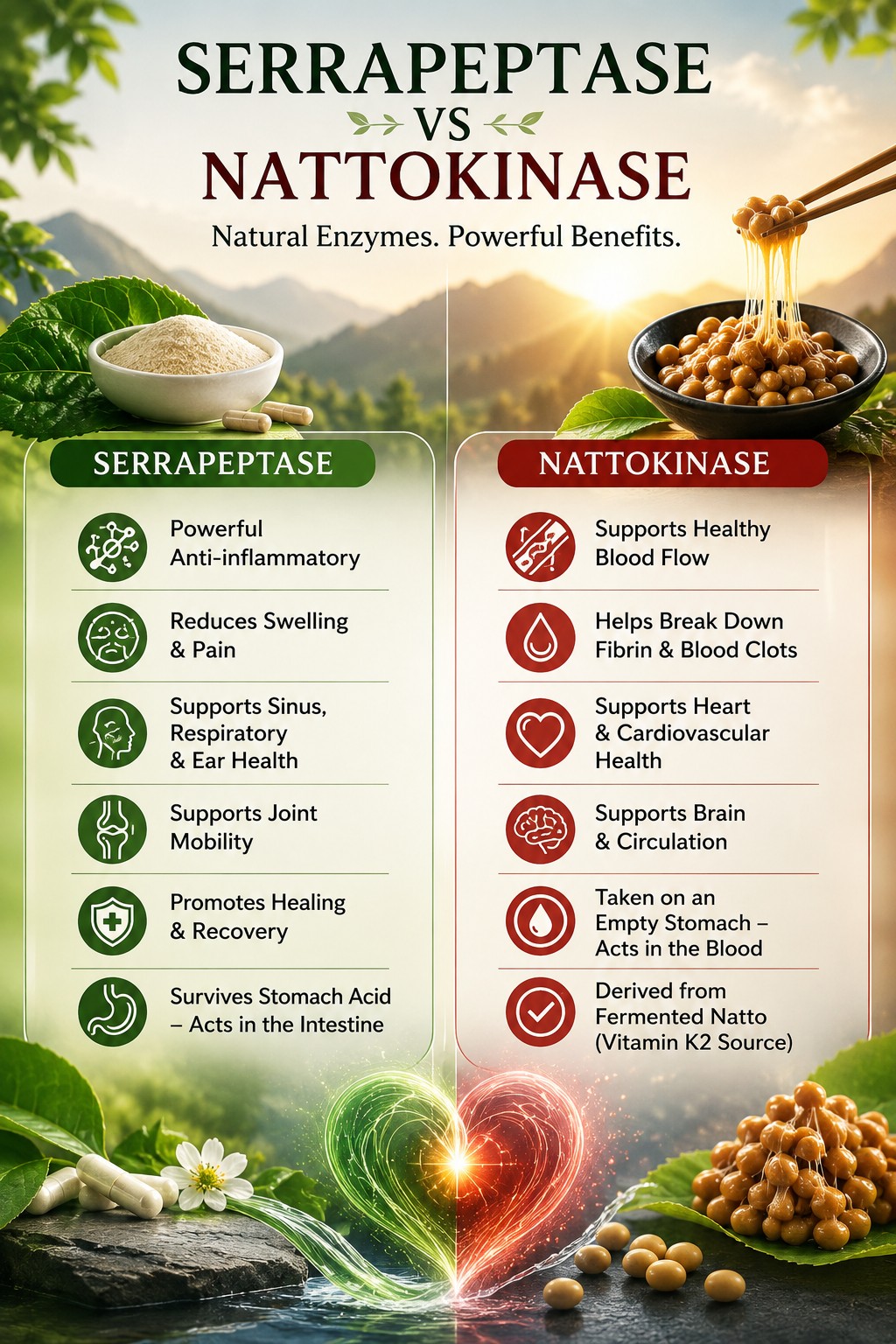
Scientific Contrast Between Serrapeptase and Nattokinase
When diving into the world of systemic enzyme therapy, two powerful proteolytic enzymes stand out for their profound health benefits: serrapeptase and nattokinase. Leading natural health research platforms emphasize that choosing between these two enzymes is not a matter of finding which one is universally superior, but rather understanding their distinct therapeutic pathways. While both are protein-digesting enzymes capable of breaking down abnormal tissue, their primary clinical targets and mechanisms of action inside the human body diverge significantly.
Nattokinase for Cardiovascular Health and Blood Flow
Nattokinase is derived from natto, a traditional Japanese dish made from fermented soybeans utilizing the beneficial bacterium Bacillus subtilis natto. Natural health experts highlight its unparalleled ability to support the cardiovascular system. Research demonstrates that nattokinase acts as a potent fibrinolytic agent, meaning it directly breaks down fibrin, the mesh-like protein that forms blood clots and contributes to arterial plaque buildup. Beyond directly dissolving clots, nattokinase stimulates the body’s natural production of plasmin and tissue plasminogen activator, which are internal defense mechanisms against vascular congestion. Practitioners frequently emphasize its role in optimizing blood viscosity, reducing systemic inflammation markers, and safely maintaining healthy blood pressure by acting as a natural angiotensin-converting enzyme inhibitor.
Serrapeptase for Inflammation Pain and Tissue Repair
Serrapeptase, originally isolated from the serratia bacteria residing in the intestines of the silkworm, targets an entirely different physiological cascade. Instead of focusing primarily on the blood vessels, serrapeptase is renowned as a master anti-inflammatory and systemic cleanup enzyme that selectively dissolves non-living, dead tissue, such as surgical scars, uterine fibroids, cysts, and external keloids, without ever harming healthy, living cells. It achieves its powerful pain-relieving effects by inhibiting the release of inflammatory bradykinins in damaged or traumatized areas, thereby reducing swelling and localized edema. Furthermore, holistic health protocols emphasize its exceptional mucolytic properties, meaning it thins thick mucus in the sinuses and respiratory tract, while simultaneously dismantling bacterial biofilms that shield chronic infections from the immune system.
Distinct Applications and Synergistic Potential
The foundational difference lies in their primary affinity within the body. Nattokinase is the premier choice for intravascular health, targeted blood thinning, and long-term cardiovascular protection. Serrapeptase is the ideal choice for extravascular conditions, chronic pain management, sinus congestion, and the elimination of systemic fibrotic tissue or internal adhesions. Because their biological targets do not compete, combining these two enzymes often yields a powerful therapeutic synergy. When taken together on an empty stomach, nattokinase works to clear the pathways and optimize systemic circulation, allowing serrapeptase to travel deeper and more efficiently into inflamed or scarred target tissues to accelerate the removal of toxic cellular debris.
Quick Reference Comparison
Primary Clinical Focus
Nattokinase targets cardiovascular health, blood flow optimization, and stroke or clot prevention. Serrapeptase focuses on inflammation control, pain relief, edema resolution, and tissue cleanup.
Blood Pressure Impact
Nattokinase is highly effective and exhibits documented angiotensin-converting enzyme inhibiting properties. Serrapeptase offers minimal direct impact, as it primarily reduces tissue swelling rather than modifying blood vessel tension.
Scar Tissue and Fibrosis
Nattokinase focuses heavily on dissolving intravascular fibrin and clearing internal vascular micro-scarring. Serrapeptase targets external scarring, keloid removal, internal surgical adhesions, and systemic fibrotic tissue.
Respiratory and Sinus Support
Nattokinase provides low direct impact on the respiratory system. Serrapeptase is highly effective at thinning thick mucus, breaking down bacterial biofilms, and clearing stubborn sinus congestion.
Measurement Units on Labels
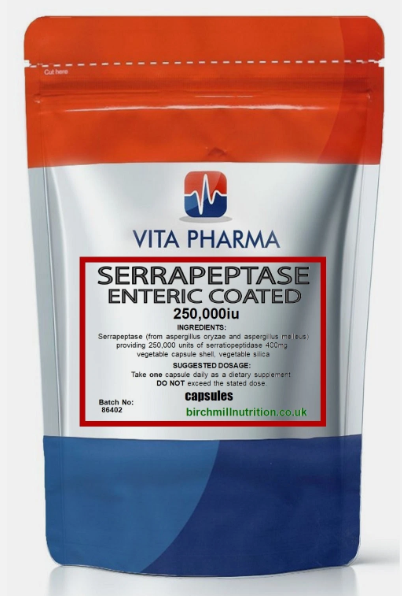
Nattokinase is strictly measured and labeled in FU, which stands for Fibrinolytic Units. Serrapeptase is measured and labeled in SPU, standing for Serratiopeptidase Units, or alternatively in IU.
READ FULL ARTICLE ON SERRAPEPTASE HERE

Links
Serrapeptase vs Nattokinase Breakdown Video
Full Health Secrets Systemic Enzyme Protocol
GreenMedInfo Anti-Inflammatory Research
Dr. Jockers Functional Health Library
Dr. Axe Natural Remedies Guide
The information provided in this article is for educational and informational purposes only and is not intended as medical advice. It should not be used to diagnose, treat, cure, or prevent any health condition or disease. Always consult with a qualified healthcare professional or holistic practitioner before starting any new supplement regimen, especially if you are currently taking prescription blood thinners, anti-platelet drugs, or anti-inflammatory medications.