
Slawomir Gromadzki

Understanding the Root Causes of Floaters
Your eyeball is filled with a clear, jelly-like substance called the vitreous humor, which is roughly 99% water and 1% collagen and proteins. Floaters occur when this delicate gel begins to degenerate, liquefy, or shrink due to ageing, high oxidative stress, chronic inflammation, or blood sugar imbalances such as in diabetes.
When the vitreous shrinks, its microscopic collagen fibers break away and clump together. These strands cast tiny shadows onto your retina at the back of the eye, which is what you see drifting in your vision.
To reverse or stop this process, a comprehensive natural health approach targets the body’s natural protein-clearing mechanisms, triggers cellular autophagy, and improves local microcirculation to clear out this debris.
While gradual floaters are a chronic health issue, a sudden shower of many new floaters, bright flashes of light, or a dark curtain pulling across your peripheral vision is a medical emergency. These symptoms indicate a potential retinal tear or detachment and require immediate professional evaluation.
Plant Based Unrefined Diet
To clear cellular waste, your body requires an abundance of live enzymes, massive doses of antioxidants, and an alkalizing environment.
Incorporate daily fresh-squeezed juices using carrots, celery, beets, and leafy greens with one tablespoon of organic chlorella powder, drinking them on an empty stomach to flood your tissues with highly bioavailable micronutrients.
Boost your meals with live, enzyme-rich alfalfa, broccoli, and clover sprouts, which are packed with cellular-regenerating properties alongside abundant raw veggies and dark leafy greens.
These foods provide the crucial carotenoids lutein, at ten to twenty milligrams, and zeaxanthin, at two to four milligrams, which selectively accumulate in eye tissues to shield the vitreous and retina from UV and oxidative damage.
At the same time, strictly eliminate refined sugars, processed foods, and unhealthy fats, as high blood sugar glycates proteins, essentially caramelizing them and accelerating the clumping of collagen fibers inside your eyes.
Nutritional Supplements for Eye Repair
Targeted supplementation fills the nutritional gaps needed to rebuild the structural integrity of the eye and neutralize the free radicals that degrade the vitreous gel. Because floaters are made of clumped proteins, systemic proteolytic enzymes are a cornerstone of natural eye protocols.
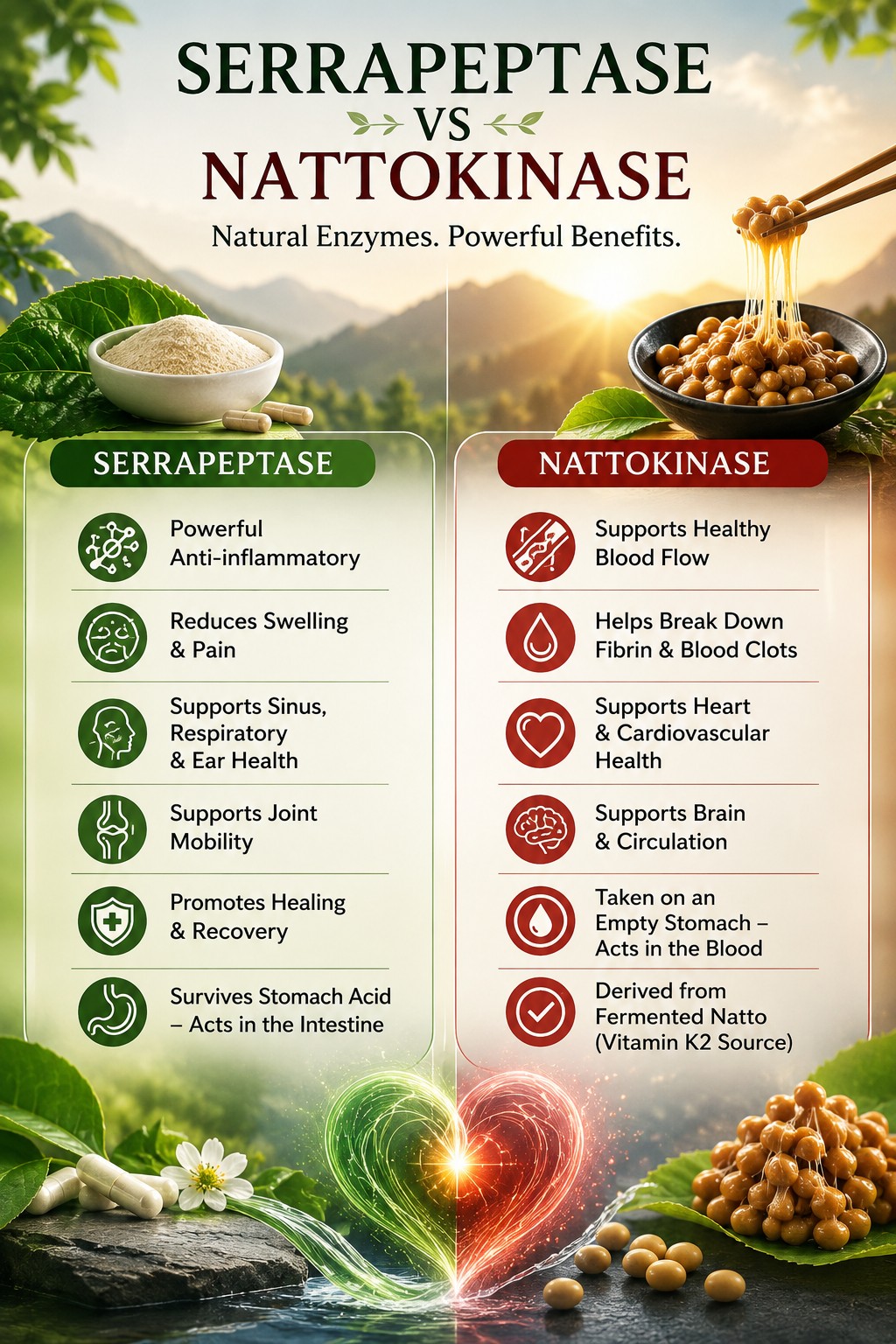
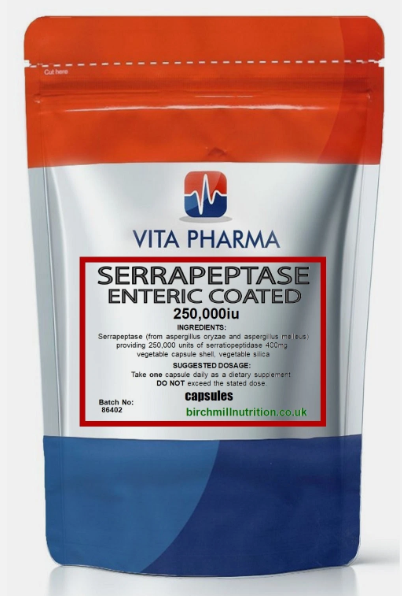
Taken on an empty stomach, enzymes like bromelain, found in pineapple core, and serrapeptase act as internal vacuum cleaners, traveling through the bloodstream to help digest and break down non-functional protein debris and scar tissue.
Most Effective Enzyme for Eye Floaters
When reviewing actual published scientific research on treating vitreous opacities with enzymes, Bromelain is the most scientifically backed and clinically documented choice. While serrapeptase is highly effective at clearing systemic tissue debris, surgical scarring, and inflammation, it is bromelain that has been the subject of specific human clinical trials showing a direct ability to address eye floaters.
READ MORE ABOUT BROMELAIN:
The Clinical Evidence Supporting Bromelain
The reason bromelain takes the lead comes down to human clinical studies. In a landmark multi-month pilot trial conducted in Taiwan, researchers found that regular, daily intake of fresh pineapple—which is rich in the cysteine protease enzyme bromelain—resulted in a roughly seventy percent decrease in eye floaters among participants over a three-month period. Following that, subsequent clinical trials evaluated a specific capsule formula containing a combination of mixed fruit enzymes, specifically bromelain, papain from papaya, and ficin from fig trees. This double-blind human trial confirmed that these fruit-derived proteases successfully traveled through the bloodstream and worked synergistically to cleave the stubborn collagen fibrils and cellular debris suspended inside the vitreous gel, leading to clear, dose-dependent improvements.
How Bromelain Directly Targets Vitreous Opacities
Your vitreous humor is composed primarily of water, hyaluronic acid, and collagen fibers. When oxidative stress, aging, or blood sugar spikes damage this environment, the hyaluronic acid depletes, causing the collagen to lose its support network and clump into visible floaters. In vitro models studying the mechanics of vitreous aging have demonstrated that when bromelain is introduced, it behaves like an internal cleanup crew, directly digesting the specific types of myofibrillar and collagenous proteins that make up those annoying visual clumps. It helps dissolve the structural framework of the floater without causing any structural alteration to the surrounding living tissues of the eye.
Where Serrapeptase and Other Enzymes Fit In
Serrapeptase remains a phenomenal enzyme for generalized extravascular cleanup and is heavily championed by practitioners like Dr. Jockers and Barbara O’Neill for its anti-fibrotic power against things like cysts, adhesions, and thickened mucus. However, it lacks dedicated human clinical trials evaluating its direct efficacy on the eye’s vitreous humor. If your primary goal is to target eye floaters using a clinically verified protocol, the optimal scientific choice is to prioritize a high-quality, high-dose Bromelain supplement or a multi-enzyme blend featuring bromelain, papain, and ficin. Taking these systemic enzymes consistently on an empty stomach for a period of three to six months gives the body the concentrated proteolytic strength needed to slowly clear the shadows from your visual field.
Cellular Detoxification and Mineral Rich Hydration
If your body’s elimination pathways are congested, metabolic waste will accumulate in peripheral tissues, including the eyes. Introduce broken-cell-wall chlorella into your daily routine to implement a deep detox, as this powerful green superfood binds to heavy metals, environmental toxins, and cellular waste, safely escorting them out of the body so they do not contribute to localized oxidative stress in the head and eyes. Because the vitreous gel is nearly entirely water, even minor dehydration causes it to shrink and collapse, making floaters worse. Drink plenty of pure, filtered water throughout the day, and enhance your water with a pinch of unrefined sea salt or trace mineral drops to ensure it actually penetrates your cells rather than just passing through your system.
Other Supplements
Daily Essentials Multivitamin(Phoenix Nutrition), Vitamins D3 and B12 are also essential for controlling chronic inflammation, supporting cellular repair cycles, and protecting the delicate optic nerve and retinal cells.
Magnesium relaxes the ocular blood vessels to maximize nutrient delivery to the eye, while zinc acts as a vital transport mechanism, allowing antioxidant vitamins to cross the blood-retinal barrier effectively.
Bilberry extract strengthens the micro-capillaries supplying the eye, high-dose vitamin C actively protects the vitreous gel from liquefying, and consuming ground flaxseed or soaked chia seeds daily provides clean, plant-based omega-3 fatty acids to keep the ocular membranes lubricated and supple.
Hydrotherapy and External Poultices for Ocular Circulation
Stimulating the circulation around the eyes is critical because the vitreous humor has no direct blood supply of its own, meaning it relies entirely on the surrounding tissues for nutrient exchange and waste removal. Hydrotherapy is one of the oldest and most effective ways to force fresh, oxygenated blood into a localized area. While in the shower, close your eyes tightly and run comfortably hot but safe water over your closed eyelids for one to two minutes to dilate the blood vessels and bring fresh nutrients to the region, then immediately switch to cold water for thirty seconds to constrict the vessels and flush out metabolic stagnation. Repeat this cycle three times, always ending on cold.
In addition to water treatments, applying an activated charcoal poultice over closed eyes before sleep is an excellent method taught by natural health schools to draw out localized inflammation, reduce fluid pressure, and calm eye strain. Alternatively, you can apply a drop of organic, hexane-free, cold-pressed castor oil to clean fingertips and gently massage it onto your closed eyelids at bedtime. This stimulates local lymphatic drainage, promotes deep relaxation, and gently boosts microcirculation overnight. Natural healing takes time, dedication, and patience, so sticking to this comprehensive lifestyle protocol consistently for three to six months gives your body the optimal environment it needs to clear the fog, break down the debris, and restore your vibrant, crystal-clear vision.

The information provided in this article is for educational and informational purposes only and is not intended as medical advice. It should not be used to diagnose, treat, cure, or prevent any health condition or disease. Always consult with a qualified healthcare professional or holistic practitioner before starting any new supplement regimen, especially if you are currently taking prescription blood thinners, anti-platelet drugs, or anti-inflammatory medications.