
VITILIGO
Slawomir Gromadzki
INTRODUCTION
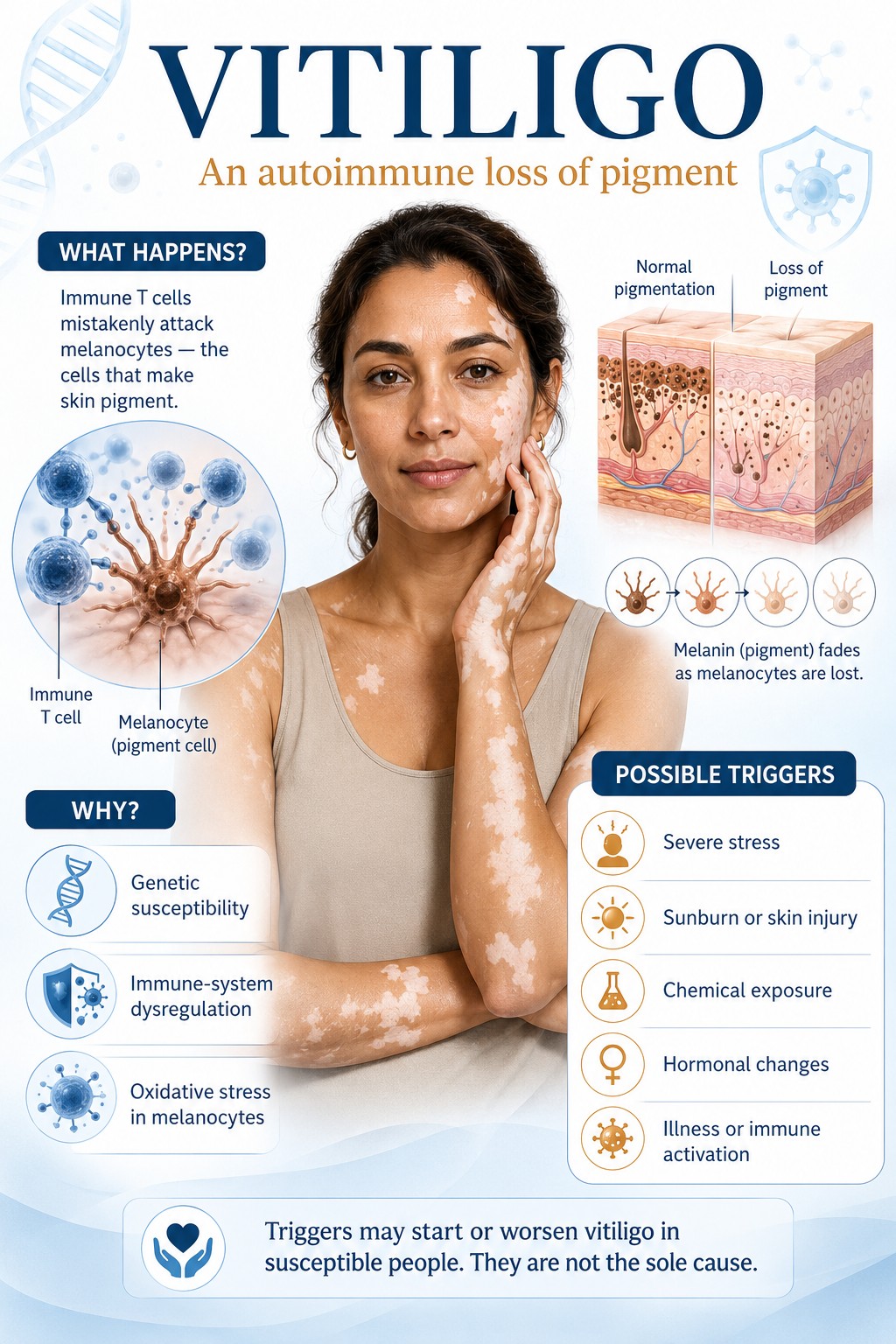
According to the Vitiligo Society website, “Vitiligo (Leucoderma) is quite a common autoimmune skin disease which affects at least one person in every hundred in countries throughout the world including the UK. Anyone, male or female, irrespective of skin colour or ethnic origin can develop the condition.
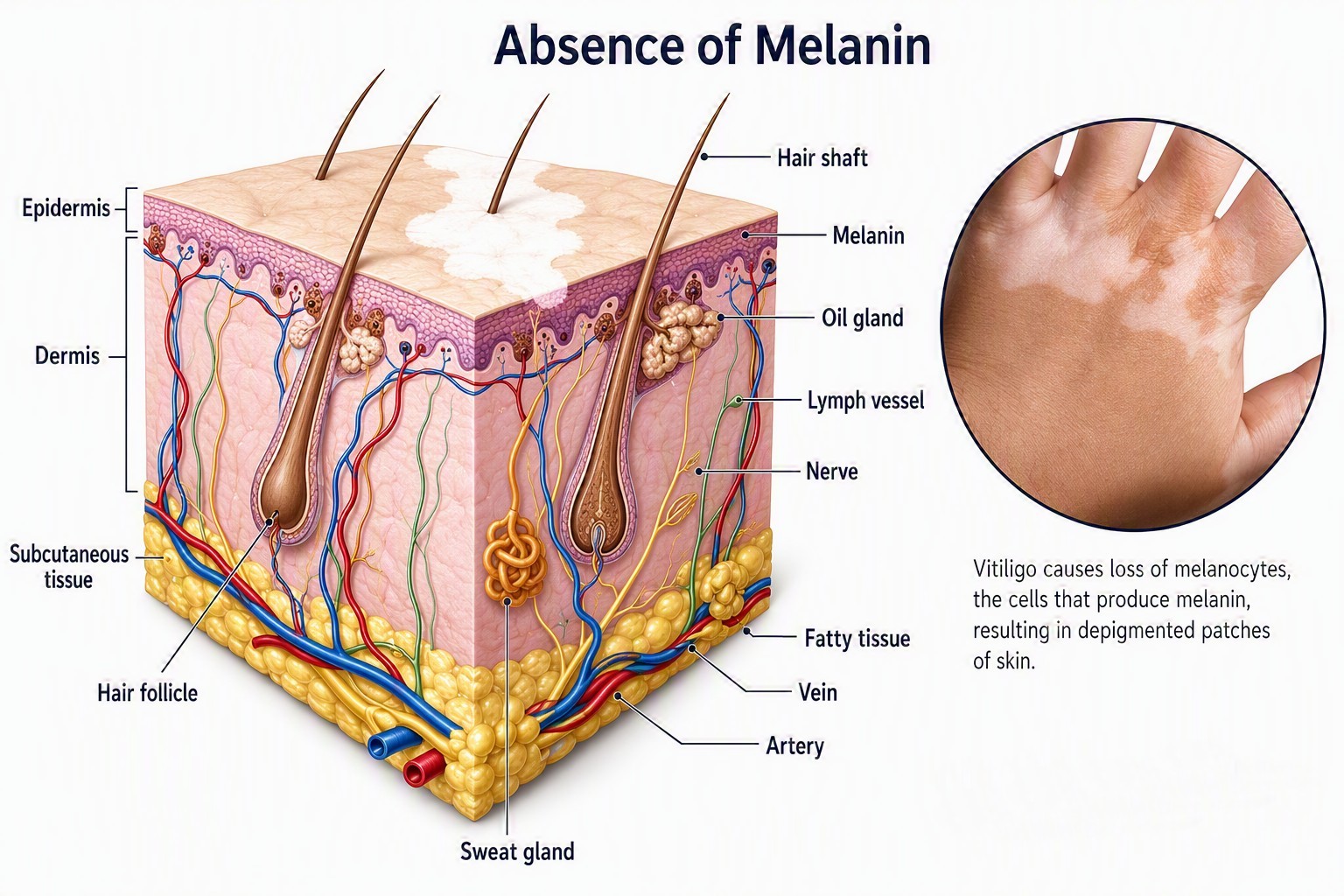
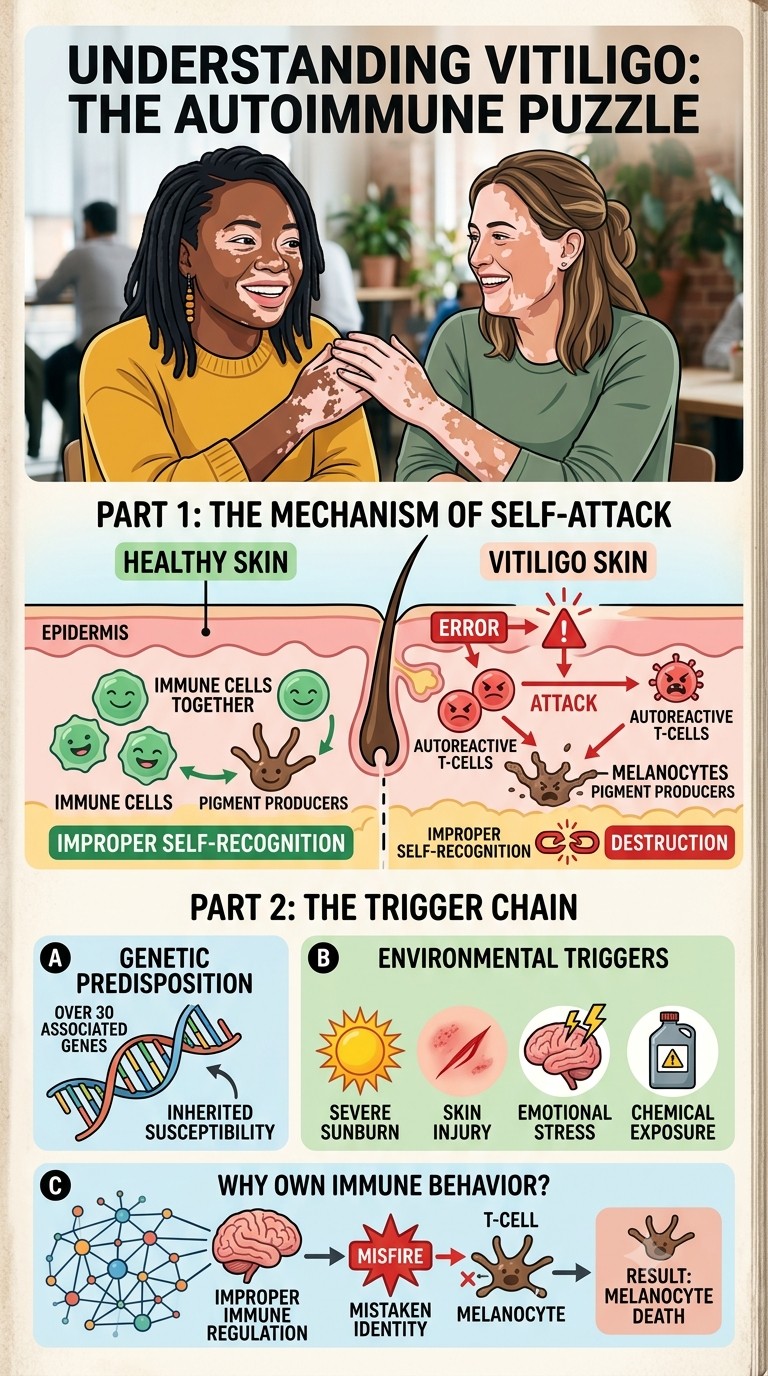
Vitiligo causes the skin, and sometimes the hair, to turn white in patches. This is because melanocytes, the cells that give the skin its colour, have either been damaged or destroyed by own immune system.
The disease can spread, rapidly or slowly, to cover the entire body surface (universal vitiligo) but this is not inevitable.
The most common form of vitiligo appears in symmetrical form (generalised vitiligo) affecting both sides of the body. In some cases, only one-half of the body is affected (segmental vitiligo) and this type has limited progression and is more difficult to treat.
Vitiligo can begin at any age, though about fifty per cent of people develop it before the age of twenty.
You cannot catch vitiligo. It is not infectious.
Although there are no physical symptoms apart from sunburn in the white patches if they are not protected from the sun, it can cause severe psychological distress, especially when the face, neck, hands and genitals are affected.
Although the disease is more noticeable on dark or tanned skin the degree of distress is not necessarily linked to skin colour or to the extent of the disease. However, people with dark skin from certain ethnic groups who develop vitiligo may feel particularly stigmatised and fear a loss of identity should the disease become widespread.
The course of vitiligo is unpredictable. Some people may not notice a change in their condition for many years, while for others it can spread quite rapidly.
In some cases, the white patches can spontaneously re-pigment, particularly in children, though it is rare for the disease to resolve completely without treatment.
VITILIGO PREVALENCE ACROSS GENDERS
Vitiligo affects men and women at nearly identical biological rates, with large-scale studies in both the US and UK showing a consistent population prevalence between 0.7% and 1.0% across both biological sexes. UK primary care data reveals a lifetime risk of approximately 0.94% in females and 0.89% in males, while US clinical registries reflect a similarly balanced distribution. Despite this equal underlying incidence, medical records show a slightly higher proportion of women seeking formal clinical diagnosis, driven by documented differences in healthcare engagement and higher reported psychosocial distress.
RECENT DISCOVERIES ON WHAT CAUSES VITILIGO
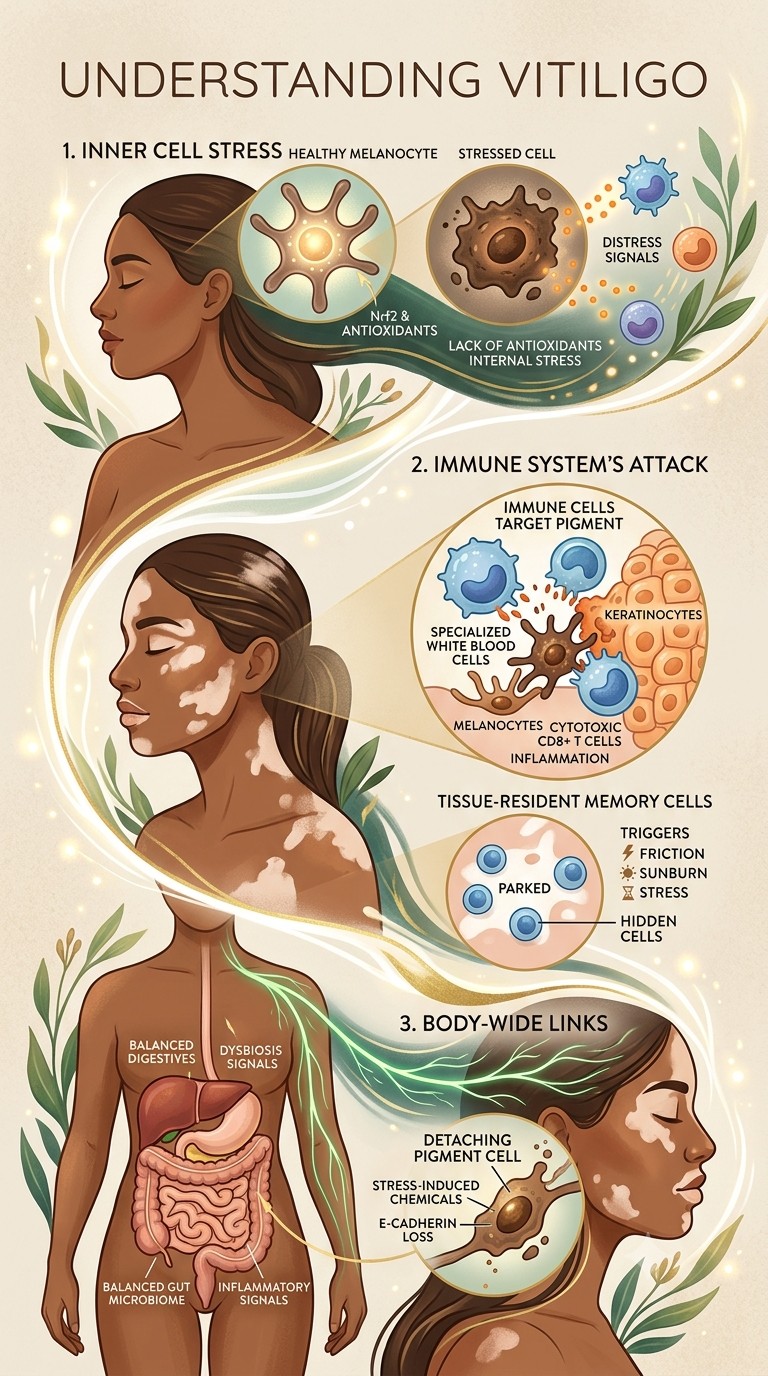
Scientists around the world have discovered that vitiligo is a multi-step process involving the entire body rather than a simple isolated skin issue. It begins inside pigment-producing skin cells, which suffer from a lack of natural antioxidants. This builds up internal stress and causes the cells to send out chemical distress signals. The immune system detects these warning signs and sends out specialized white blood cells that target and destroy the stressed pigment cells.
Researchers have also identified specific immune cells, called tissue-resident memory cells, that remain parked in the skin long after a patch appears healed. Kept alive by specific signaling proteins, these hidden cells sit quietly until physical friction, sunburn, or emotional stress triggers them to reactivate, causing white spots to reappear in the exact same locations.
Furthermore, new findings highlight strong links between the skin, the gut, and the nervous system. An unbalanced gut microbiome can send inflammatory signals throughout the entire body, lowering the skin’s defense threshold. At the same time, emotional and physical stress prompt local nerves to release chemicals that loosen the structural anchor holding pigment cells in place, causing them to detach and fade away.
An important 2025 study found that an unhealthy gut microbiome may produce excessive hippuric acid. This substance entered the blood and skin, increased oxidative stress and damaged melanocytes. The evidence is promising, but most experiments were conducted in mice, so it is not yet proven that probiotics can treat human vitiligo.
Vitiligo can run in families, but there is no single “vitiligo gene”. Certain combinations of genes make melanocytes and the immune system more vulnerable. Environmental factors may then trigger the condition.
Vitiligo is mainly an autoimmune condition. The immune system mistakenly attacks and destroys melanocytes—the cells that produce skin pigment. Autoimmune thyroid disease is particularly common in people with vitiligo.
New research suggests that oxidative stress may begin the process. Excess free radicals damage the mitochondria and other structures inside melanocytes. Damaged cells then release danger signals that attract the immune system, leading to further destruction.
COULD STRESS, DIET AND LIFESTYLE BE THE MISSING PIECE IN VITILIGO?
While vitiligo is now understood primarily as an autoimmune condition, growing research suggests that chronic stress, poor lifestyle habits, oxidative stress, environmental factors, and possibly gut health may help trigger or worsen the disease in susceptible people. In simple terms: genes may create the risk, but lifestyle and environment may influence whether that risk becomes active. Current evidence shows that healthy lifestyle changes can support the body’s ability to control inflammation and oxidative stress.
Regarding people who dramatically improve their lifestyle, there are many personal reports and testimonials describing stabilization of vitiligo, improvements in overall health, and in some cases repigmentation after dietary and lifestyle changes. There are also numerous Hallelujah Diet testimonials claiming improvements in autoimmune conditions such as rheumatoid arthritis, lupus, thyroid disorders, digestive diseases, and other chronic illnesses. [THE LIVING…ujah Acres], [myhdiet.com]
Emerging research suggests that stress, nutrition, gut health, oxidative stress, and lifestyle habits may influence how vitiligo develops and progresses. Although autoimmunity remains the main cause, many researchers now believe that improving overall health may help create a more favorable environment for recovery and disease control.
Severe sunburn, cuts, burns, repeated rubbing, emotional stress and exposure to certain phenolic chemicals found in some hair dyes, rubber products, adhesives and industrial materials may trigger or worsen vitiligo in susceptible people.
Low levels of vitamin D, vitamin B12, folate, zinc and sometimes selenium are more common in people with vitiligo. However, deficiencies have not been proven to be the main cause. Testing and correcting a genuine deficiency may be helpful, but supplements alone cannot be expected to cure vitiligo.
The best current explanation is: genetic susceptibility combined with oxidative stress damages melanocytes, after which the immune system attacks them. Gut dysbiosis, nutrient deficiencies, chemicals, skin injury and emotional stress may contribute.
SUN EXPOSURE, VITAMIN D, AND AUTOIMMUNE HEALTH
While severe, excessive sunburns can damage skin tissue and potentially trigger new patches through localized skin trauma, avoiding sunlight entirely can be even more damaging. Extremely low sun exposure leads to systemic vitamin D deficiency, which plays a critical role in overall immune regulation. Vitamin D acts as a crucial immunomodulator that helps keep autoreactive T cells in check and supports healthy pigment cell growth; its absence disrupts immune tolerance and is widely linked across medical literature to a higher risk and progression of various autoimmune conditions, including vitiligo.
LINK BETWEEN REFINED OMEGA-6 OILS, HASHIMOTO’S AND VITILIGO
In women, vitiligo often occurs alongside Hashimoto’s thyroiditis, another autoimmune condition. Some evidence suggests that a diet excessively rich in refined omega-6 oils—such as soybean, corn, sunflower, safflower, or vegetable oils—may promote inflammation, especially when omega-3 intake is low.
Therefore, it is possible that very high consumption of these refined oils could contribute to inflammatory processes involved in Hashimoto’s, vitiligo and other autoimmune conditions.
Avoid trans fats (margarine, doughnuts, cakes, etc.) and excessive amounts of pro-inflammatory omega-6 fatty acids found in refined soybean, corn, sunflower and similar oils.
Ray Peat, PhD, a physiologist who worked with progesterone and related hormones from 1968, claimed that the sudden increase in polyunsaturated oils in the food chain after the Second World War caused many hormonal changes. He wrote: “Their [polyunsaturated oils’] best-understood effect is their interference with the function of the thyroid gland. Unsaturated oils block thyroid-hormone secretion, its movement through the circulatory system and the response of tissues to the hormone.
When thyroid hormone is deficient, the body is generally exposed to increased levels of oestrogen. Thyroid hormone is essential for producing the ‘protective hormones’ progesterone and pregnenolone, so their levels are lowered when anything interferes with thyroid function. Thyroid hormone is required for using and eliminating cholesterol, so cholesterol is likely to be raised by anything that blocks thyroid function.”
According to Dr Michael Greger, “Alkylphenols, flame-retardant chemicals, and perfluorochemicals, industrial pollutants found mostly in fish and meat, may be associated with thyroid disruption in young children and adults. Alpha-gal antibodies in meat may result in autoimmune conditions, including thyroid disorders. The artificial food colouring Red No. 3, too much seaweed of any type, and processed meat consumption may be linked to an increased risk of thyroid cancer. Poultry workers often have thyroid disorders.”
Increase the consumption of omega-3 fatty acids, particularly those found in flaxseed, chia seeds, and other suitable foods.
POSSIBLE CAUSES
Vitiligo is an autoimmune disorder in which the body’s immune attacks skin cells.
The exact cause of Vitiligo is still unclear, but there are reasons to believe it might be a combination of genetic factors, chronic stress, and unhealthy lifestyle and diet, stimulants (smoking, alcohol consumption, caffeine, etc.), and diet high in animal foods, refined and processed foods, bad fats, toxins, etc. Also, certain medications, such as beta-blockers, lithium, or anti-malarial drugs can contribute to Vitiligo.
It is believed that autoimmune diseases often start from the lack of probiotic bacteria in the gut due to bad refined diet, antibiotics, consumption of meat and dairy products, sugar, stimulants, overgrowth of harmful bacteria and candida (yeasts), toxins, stress, lack of dietary fibre, etc. All those factors damage the intestinal walls causing increased intestinal permeability and a condition called Leaky gut syndrome. As a result, toxins instead of being removed from the colon are reabsorbed back into the blood through damaged walls.
Also deficiency of vitamin D (insufficient exposure to the sun) may contribute to the development of autoimmune diseases as it is not only the most important immune system booster but also a regulator which means it helps to prevent the immune system from attacking its own body. There is a growing amount of research which suggests that a lack of vitamin D could be an important factor in causing autoimmune diseases. Almost every person in England is deficient in vitamin D which is very important for the human nervous and immune system.
In his bestselling book “China Study” Prof Colin Campbell wrote that, “Autoimmune diseases in general become more common the greater the distance from the equator. This phenomenon has been known since 1922.” This statement leads us to a simple conclusion that Hashimoto disease may have a lot to do with vitamin D (“sun vitamin”) deficiency as well as the modern unhealthy lifestyle of North America or Europe. Read more about vitamin D
You can be gluten intolerant. Gluten is very damaging to the gut and its molecular structure resembles the structure of the thyroid gland – which may encourage the immune system to attack the thyroid gland. It is very interesting that vitiligo and celiac share the same gene – NLRP1. This gene (formerly known as NALP1), has been confirmed by research as being linked to vitiligo and other autoimmune diseases including celiac disease, Addison’s disease, lupus, or type 1 diabetes. So, if you have vitiligo you may want to avoid gluten altogether as it can be very risky, to say the least.
Heated animal protein (found especially in dairy) may also contribute an autoimmune reaction in the body.
People with Vitiligo usually suffer from leaky gut and low stomach acid. A leaky gut (or intestinal permeability) is described as the microscopic loss of the integrity of your intestinal lining. It means there are tiny holes in the lining of your intestine that allow toxins, bacteria, incompletely digested proteins and fats to move from the gut to your bloodstream. This triggers an autoimmune reaction, which can lead to various autoimmune diseases including IBD.
Hashimoto disease often accompanies vitiligo. If it is true, you must treat your thyroid condition too. Go to the DISEASES section and find the description of the condition.
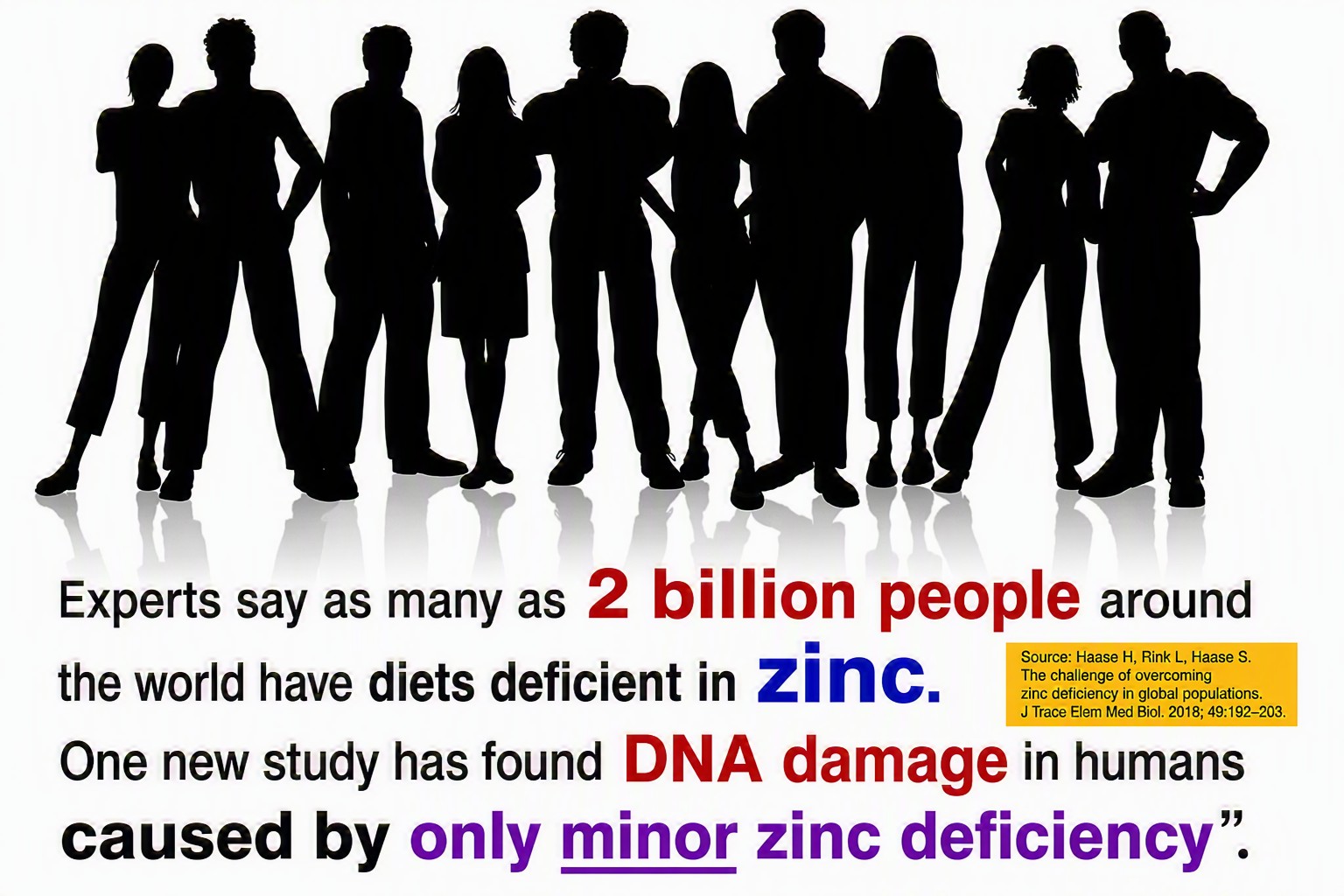
If you suffer from vitiligo, you may have a zinc and/or copper deficiency or imbalance. Many people are under the impression that because low copper levels are implicated in vitiligo then this must mean they need to take more copper. However, most people (women especially) are copper toxic and some also have copper bio-unavailability, which means the body is unable to use the copper for some reason. Taking more copper will aggravate this problem.
Apart from helping to control copper levels in our body, zinc can be useful in treating vitiligo by neutralising free radicals, encouraging re-pigmentation, and positively influencing the immune system.
Iodine deficiency (due to soil depletion there is not enough iodine in food). The thyroid gland requires iodine to produce its hormones. In fact, it is believed that iodine’s only role in the body is to make thyroid hormones. However, it is important to know that not only too little iodine can cause impaired thyroid function, but also too much can interfere with the gland’s ability to produce its hormones. Unfortunately, there is disagreement with regard to sufficient iodine daily requirements. Some maintain that the dosage range for iodine supplementation should be 300-400 mcg daily but others suggest that it is way too low.
– Mercury (from dental fillings, tap water, fish, flu shots, etc.) lead, fluoride, and other toxins.
– Food intolerances: Gluten and A1 Casein Allergy.
– Hormonal Imbalances: Too much Cortisol (from stress).
– Stress, anxiety and depression. A number of published papers have shown that stress and negative emotions contribute to all autoimmune diseases.
– Consumption of trans fats, margarine and bad oils (high in pro-inflammatory omega 6) and deficiency of omega 3 healthy fats high in foods such as Flaxseed, Chia seeds, etc.
– Bad lifestyle, unhealthy diet high in sugar, processed refined foods, nutritional deficiencies, artificial sweeteners, lack of exercise, stimulants, drugs, medication, and in particular excessive stress, depression and pessimism may lead to the oversensitivity of the immune system which changes its nature and starts attacking own body.
– Consumption of meat and dairy products (can trigger autoimmune response and cause hormonal imbalance), refined, junk and processed foods, refined sugar, white flour products, high glucose (high fructose) syrup, stimulants (including coffee, tea, green tea, cola, etc., nutritional deficiencies, white pasta, white rice, processed foods, stress, lack of exercise, etc.
– BEST CURE FOR VITILIGO (VIDEO)
TREATMENT
– The most important aspect of successful treatment is lifestyle and diet according to the recommendations listed in the Recovery Plan Please study it carefully and do your best to use the remedies and implement all the principles. If you manage to do it you will recover from this problem.
NUTRITIONAL AND LIFESTYLE RECOMMENDATIONS
Autoimmune diseases can be reversed by practising the following guidelines:
– Go on an anti-inflammatory diet: Get plenty of fresh raw vegetable juices and raw vegetables (especially those rich in carotenoids such as carrots, as well as green leafy vegetables) and fresh fruits.
– Go on Hallelujah diet for 6 months as properly and honestly implemented, it leads to recovery from Vitiligo! Read more
– Avoid all animal foods including cheese, meat products, all dairy, and stimulants (caffeine, alcohol, cigarettes, etc.).
– Go on a vegan unrefined diet as it gives the best results. Eat especially with lots of raw vegetables salads and raw vegetable juices.
– Proper stress control and positive thinking – extremely important!
– It is very important to avoid dairy, eggs, and meat!
– Omega 3: Two times 1 tablespoon of soaked for at least 30 min. chia seeds and 1 tablespoon of ground flaxseed with breakfast and lunch.
– Avoid pro-inflammatory omega-6 oils. Instead use only raw organic Coconut oil and cold-pressed olive oil.
– Avoid gluten.
– Drink 1 to 2 glasses of raw vegetable juices (especially carrot).
– Avoid hot spices, fried foods, and refined salt.
– Drink distilled water (free from contaminants, irritants and harmful inorganic minerals) between meals.
– Stop smoking. Smokers are two times more likely to develop Crohn’s disease than non-smokers.
Natural antibiotics helps to control Crohn’s disease.
– Eliminate all junk food, processed food, artificial sweeteners, trans fats, and anything with bad preservatives and chemicals.
– Eating whole, unprocessed foods, and choosing as many organics as possible.
– Getting adequate sun exposure if possible (20 minutes a day during summertime between 10 am and 2 pm) to maintain vitamin D levels.
– Avoid gluten (wheat products, etc.). The molecular structure of thyroid tissue is almost identical to that of gluten and therefore the immune system may start sending antibodies not only against gluten proteins but against proteins found in different organs causing autoimmune diseases. In this way, gluten can increase the autoimmune reaction. Many people with autoimmune diseases have an autoimmune reaction to gluten, and it usually goes unrecognized. Gluten can cause the gastrointestinal system to malfunction, so foods aren’t completely digested. These food particles can then be absorbed into the bloodstream where the body misidentifies them as antigens and then produces antibodies against them.
– Avoid all dairy products as heated dairy protein (especially A1 casein) often irritates the immune system stimulating it to produce antibodies against different internal organs. The most common allergies and food intolerances today are from wheat and dairy products because of the hybridized proteins of gluten and a1 casein. These proteins can cause Leaky Gut Syndrome which leads to inflammation.
– Use glass bottles as Bisphenol A (BPA) which is found in plastic bottles and cans (they are lined up with plastic) disrupts the endocrine system.
– Avoid chlorine, fluoride (toothpastes with fluoride, etc.), and bromine as they also contribute to autoimmune diseases.
– Avoid hydrogenated fats and trans fats (margarine, doughnuts, cakes, etc.) and pro-inflammatory omega-6 fatty acids (soy oil, corn oil, sunflower oil, etc.).
– Increase consumption of omega-3 fatty acids in the form of ground flax seeds, and chia seeds. Omega 3s are the building blocks for hormones that control immune function and cell growth.
– Detoxifying body from heavy metals by using a combination of Chlorella, Milk Thistle, Turmeric, and Cilantro.
– Remove any dental fillings containing mercury.
– Increasing intake of healthy fats such as raw coconut oil, coconut milk, avocado, chia seeds (soaked for at least 30 minutes or overnight), ground flaxseeds, and hemp seeds as they will balance hormones. Coconut oil is one of the best foods for the thyroid. Coconut oil is a saturated fat comprising medium chain triglycerides (MCTs), which are known to increase metabolism and promote weight loss. Coconut oil is very stable (shelf life of three to five years at room temperature), so the body is much less burdened with oxidative stress than it is from many other vegetable oils.
– Increase consumption of vitamin A in the form of beta-carotene found in carrots, apricots, green leafy vegetables, etc.
– Eliminate stimulants (anything with caffeine or other similar harmful alkaloids: coffee, tea, green tea, mate, yerba mate, cola, chocolate, etc.).
– Exercise at least 30–60 minutes per day.
– Get enough sleep.
– Practice deep breathing.
– Treat unresolved emotional issues as a source of stress. Autoimmune diseases reflect emotions and mental attitude. When people with autoimmune diseases make progress in treating unresolved emotional issues, their symptoms subside. Stress, anxiety or depression are often key culprits. It is important to identify the stressors and learn use ways such as prayer that can help to control stress and negative emotions.
– Read about the DEADLY CONSEQUENCES OF UNFORGIVENESS
– Drink and use for cooking only distilled or at least filtered water. Not all water filters remove fluoride, so make sure the one you have does or use only distilled water (buy a water distiller). Taking chlorella and turmeric help to get rid of fluoride and heavy metals such as mercury.
HERBAL REMEDIES AND SUPPLEMENTS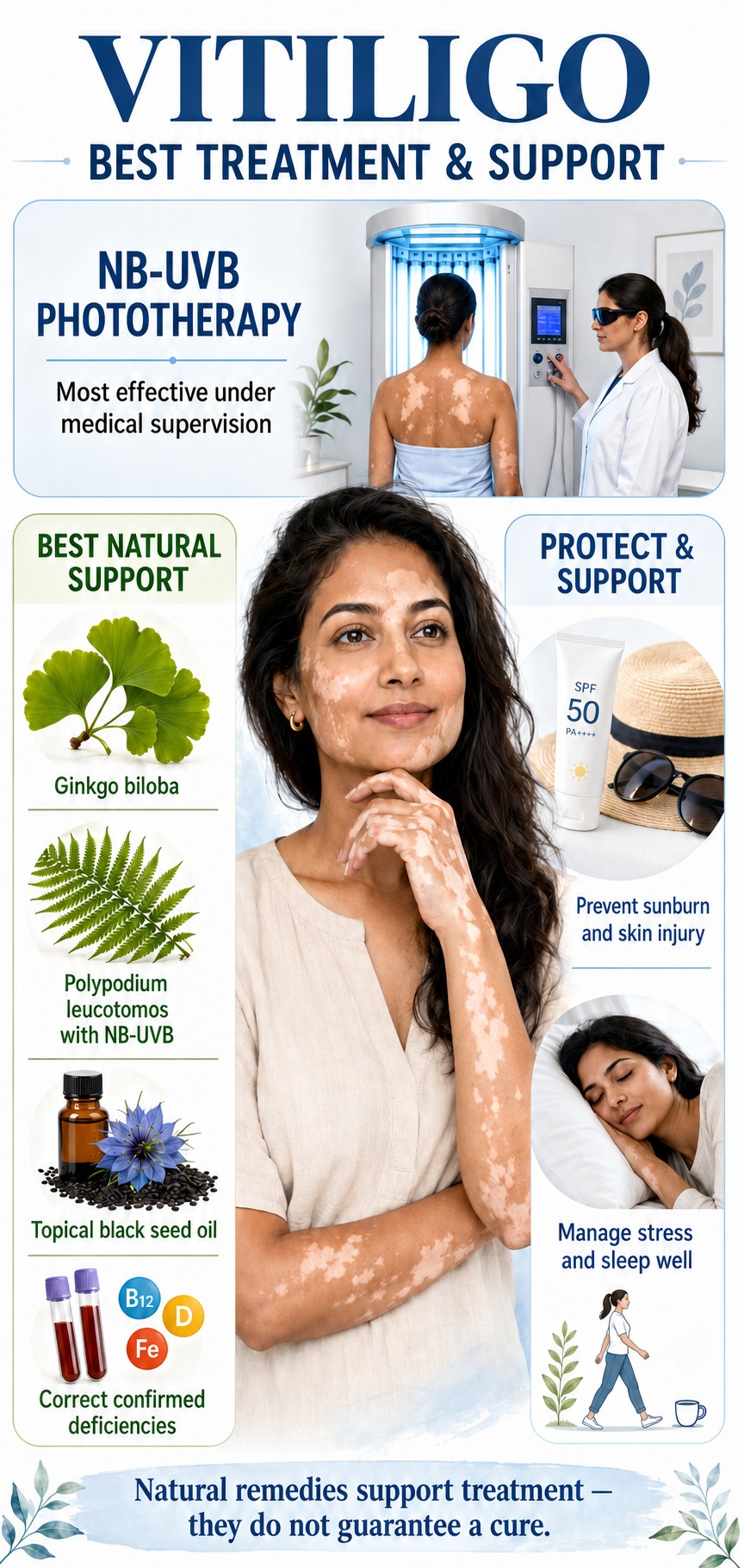
– Apart from Ashwagandha you can use other herbal remedies and adaptogens such as Rhodiola and Three Tulsi (Holy Basil) tea or capsules (Pukka).
– Boost Glutathione levels which is the most powerful of all antioxidants strengthens the immune system and is one of the most effective remedies against autoimmune diseases. It boosts the body’s ability to modulate and regulate the immune system. It is also important to provide the body with ingredients that increase glutathione production in the liver by taking turmeric, milk thistle, NAC (N-acetyl cysteine), bioactive whey protein, Glutamine, Alpha Lipoic Acid, bilberry, vitamin C, asparagus, broccoli, peaches, avocado, spinach, garlic, squash, grapefruit.
– Taking selenium supplements and increasing consumption of foods high in selenium (Brazil nuts, sunflower seeds, mushrooms, garlic, onions, etc.).
– Supplement magnesium (400 mg of magnesium citrate a day).
– Vitamin B12: 1,000 to 2,000 mcg a day under the tongue (sublingual Methylcobalamin form). Many people with autoimmune diseases have low levels of this most important vitamin. Read a fascinating article on B12
– Copper and Zinc are crucial for the normal function of the immune system – 30 to 50mg of zinc and 1mg of copper a day after breakfast.
– Take good quality probiotic formulas as 20 per cent of thyroid function depends on a sufficient supply of healthy gut bacteria.
– You must take Vitamin D3 because almost all patients suffering from autoimmune diseases patients are deficient in Vitamin D! While using vitamin D3 supplements always remember to take well-absorbed magnesium (such as citrate) as vitamin D supplements lead to magnesium deficiency over time. If you can’t afford higher doses take at least 4,000 IU of vitamin D3 a day with a meal. But since deficiency of this vitamin is so widespread (especially in the UK) it would be better to take 10,000 to 30,000 IU a day with meals with appropriate doses of magnesium. Another requirement for proper absorption of vitamin D is 200 mcg of Vitamin K2 MK-7 (Derived from Natural Natto) a day. Read more about vitamin D
AUTOIMMUNE DISEASE SUCCESS STORIES
– PABA (para-aminobenzoic acid) tablets (Solgar): Fatigue, irritability, depression, eczema, scleroderma (premature hardening of skin), patchy pigment loss in skin (vitiligo), premature grey hair.
– Every day take Chlorella tablets, or excellent Clean Greens powder (Pukka), or other super foods such as barley grass, alfalfa, maca, ground hemp seed, wheat grass, etc.
– Include a good probiotic formula to boost good bacteria in your colon.
– Externally try to use raw organic coconut oil, castor oil and vitamin E oil. Avoid cosmetics with harmful chemicals. About the external use of coconut oil, someone wrote: “Coconut oil has worked wonders for me after I clubbed it with a proper diet free from refined flour, fried items, alcohol, citrus fruits. Earlier I used 777 oil (extract of the herb wrighitia tinctoria mixed with 50% coconut oil). Then it had no effect. With diet control, and avoiding the above items, there is total healing with only some scars on the legs. Otherwise, it was like a battlefield all over the body. It is now nearly three months and I am totally free, but I still continue to apply the same with higher coconut oil content so that the skin is smooth”.
– Use only soaps, shampoos, cosmetics, deodorants or detergents with harmless natural ingredients.
– Amazing healing properties of clay have been known for centuries in many cultures around the world. Cleopatra used Dead Sea clay twice a week in order to maintain her skin smooth and unblemished. Back in Poland I used and recommended this wonderful remedy externally and internally for many different conditions often with great success. There are different types of clay such as Kaolin Clay (White), Green Clay, Bentonite (Grey/Cream colour), or Rhassoul Clay (Moroccan Red Clay). All of them can be effectively used to detoxify, regenerate and nourish the skin, to eliminate inflammation, or brighten dark areas. Clay mask is also one of the most effective ways to get rid of dark spots and to effectively treat almost any skin problems.
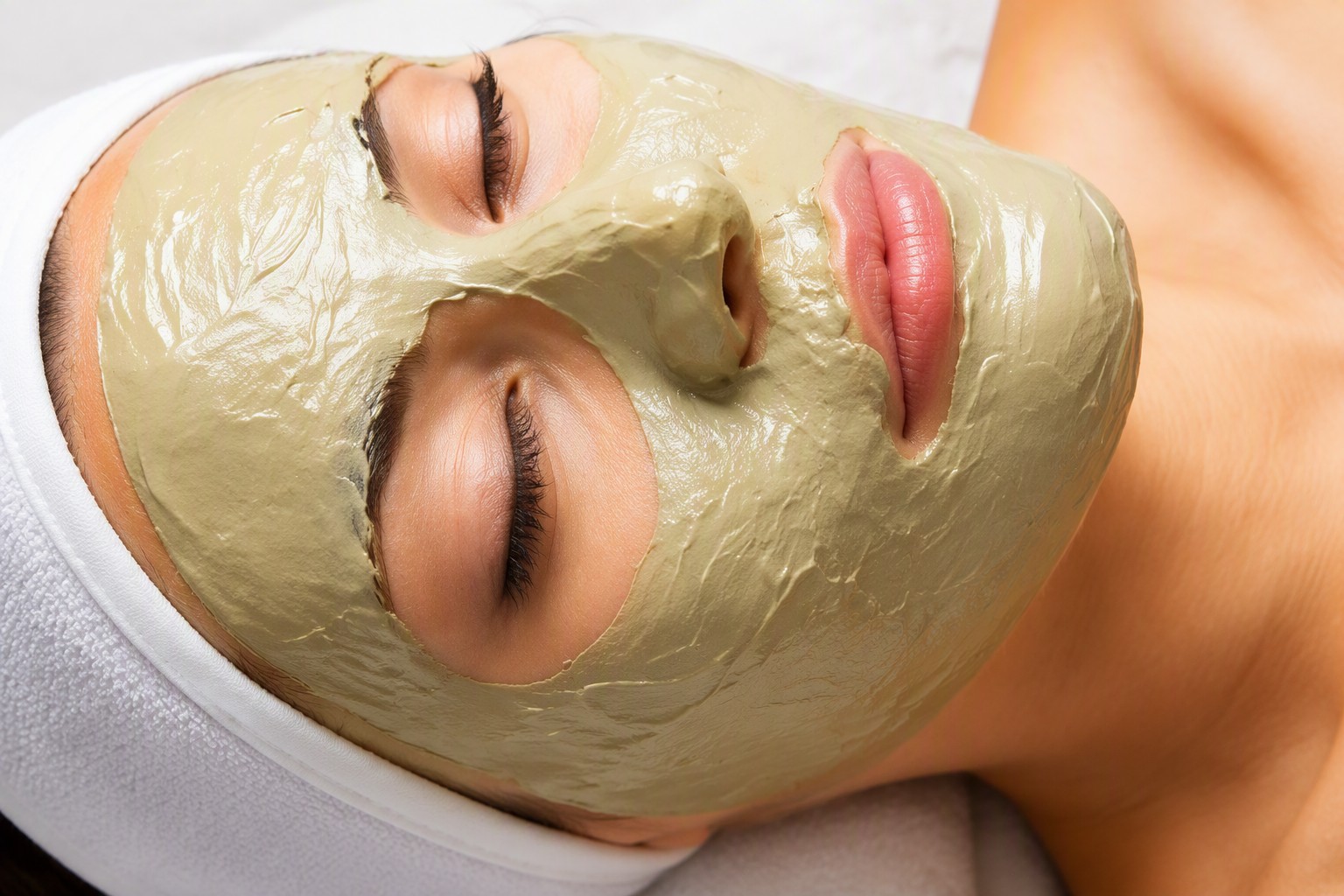
In order to make a face mask mix two tablespoons of any type of clay with two 2 tablespoons of hot water (distilled would be the best), or rose water, or the same amount (2 TBS) of strong Calendula tea (or Comfrey tea), and 1 teaspoon of fresh lemon juice.
Mix all ingredients together thoroughly, wash your face with distilled water or clean with aloe vera juice and apply the mask on the skin. Let it dry for about 30 minutes and rinse.
Note: Do not use any metal tool to mix clay with other ingredients. Use a wooden or glass instrument to keep clay potent and effective.
To get much better results the mask needs to be left on the skin much longer or even overnight (only if you are able to sleep with it). You should also enrich the above ingredients with 1 teaspoon of cold-pressed Olive oil, Evening primrose oil or Castor oil. Mix all ingredients together thoroughly, wash your face with distilled water or clean with aloe vera juice and apply the mask on the skin. This time you also need to cover the mask with a Clingfilm to prevent it from drying.
Some ladies who left a Green Clay mask on face overnight told me it worked like a magic. In case of a dry skin try to use a raw organic coconut oil or vitamin E oil after removing the mask.
– Clay baths should be much more effective than chamomile flowers or anything else. Adding green clay to your baths is one of the most effective methods to reduce itching. Clay is so amazing because apart from having anti-inflammatory properties it is able to absorb all the substances which cause itching. In addition it also provides a soothing effect and can even nourish and regenerate damaged skin. You do not need too much clay in the bath. About 1/2 cup of a green or bentonite clay in a warm bath should be enough.
– Boswellia (Viridian): According to one study 80% of patients on Boswellia experienced remission from some autoimmune diseases!
– Evening primrose oil or Star flower oil (1000 mg a day). Both are best sources of GLA (gamma-linolenic acid) – a fatty acid which promotes healthy skin, hair and nails.
– Take Milk thistle (Silybum marianum) extract of – two capsules or tablets twice a day for at least three months.
– Zinc: 30 mg after breakfast.
INSIGHTS FROM HEALTH FORUMS & ALTERNATIVE PRACTITIONERS
Online vitiligo user communities (such as Reddit, Vitiligo Support International, and alternative health forums) and holistic health figures commonly emphasize regulating internal oxidative stress, addressing potential nutrient deficiencies, and managing autoimmune triggers.Below is a consolidated summary of the most frequently discussed and praised natural remedies, supplements, and topicals across these platforms and alternative health figures.
Best Natural Remedies and Supplements for Vitiligo
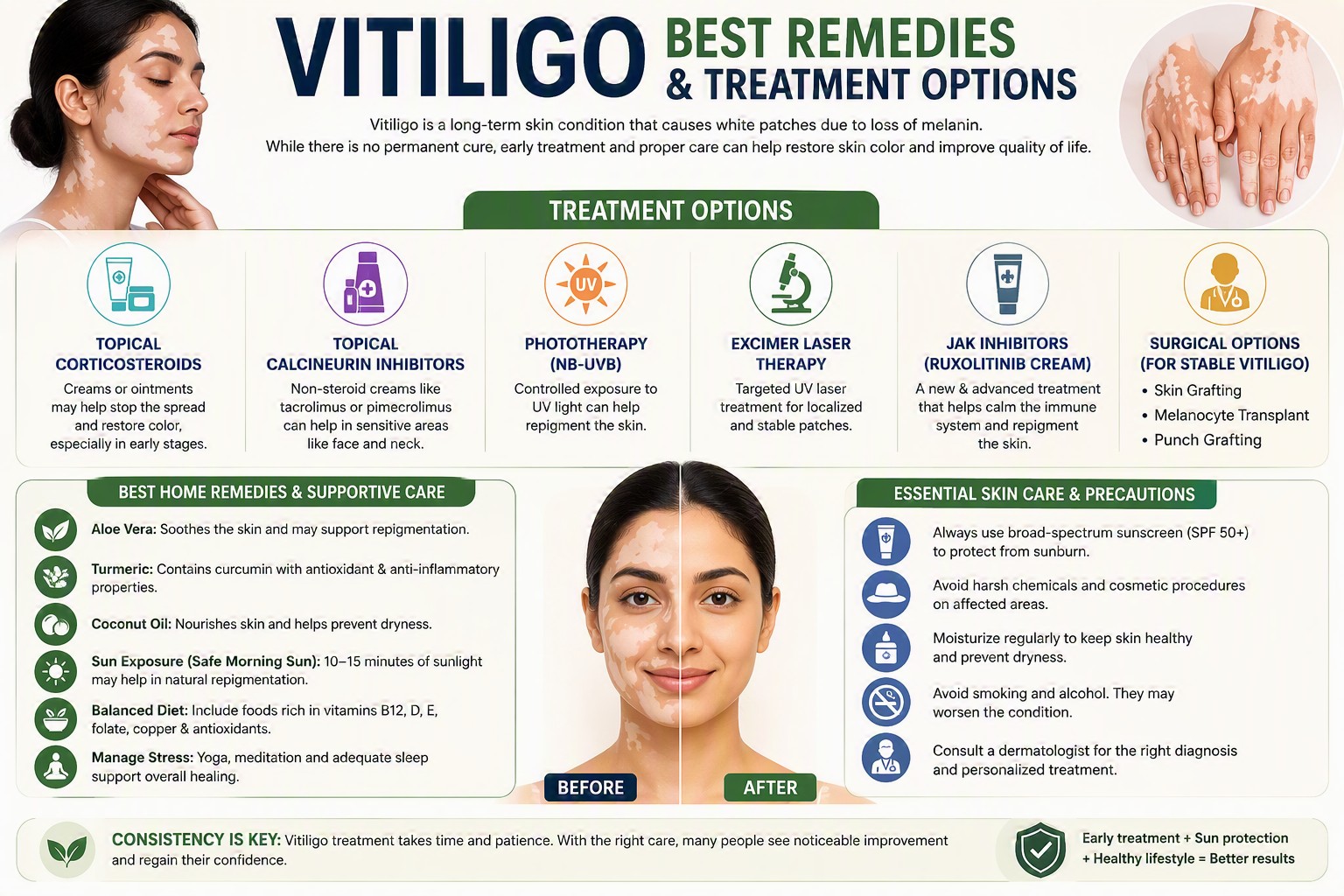
Vitiligo is an autoimmune condition in which immune cells mistakenly attack melanocytes—the cells that produce skin pigment. No natural remedy has been proven to cure vitiligo, but several complementary treatments may help, particularly when combined with dermatologist-supervised narrow-band UVB phototherapy.
1. Ginkgo biloba — best-supported herb
Ginkgo biloba is the most clinically supported oral herb for vitiligo. Studies suggest that it may slow or stop active spreading and produce some repigmentation.
Clinical studies used standardised ginkgo extract at 40 mg three times daily for six months or 60 mg twice daily for 12 weeks. Its most realistic benefit is stabilising active vitiligo rather than completely restoring lost pigment. Clinical trial
Ginkgo requires professional advice if the person takes anticoagulants or antiplatelet medicines, has epilepsy or a bleeding disorder, or is awaiting surgery.
2. Polypodium leucotomos — best addition to phototherapy
Polypodium leucotomos is an antioxidant and anti-inflammatory fern extract. It may improve repigmentation and reduce UV-related inflammation when combined with NB-UVB phototherapy.
Evidence that it works alone is insufficient. Its best-supported use is alongside medically supervised phototherapy. Systematic review
3. L-phenylalanine — promising with supervised light therapy
L-phenylalanine is an amino acid involved in producing tyrosine and melanin. Small studies reported improved repigmentation when it was combined with medically controlled UVA or other light treatment.
It has not been convincingly shown to work alone and should not be combined with deliberate home sun exposure. It must be avoided by people with phenylketonuria and requires professional advice during pregnancy or when taking certain psychiatric medicines.
4. Black seed oil — best natural external remedy
Black seed oil (Nigella sativa) is the most promising natural topical remedy. A small controlled study found improved pigmentation after topical use, possibly due to the antioxidant and anti-inflammatory effects of thymoquinone. Clinical study
Dilute it with an equal amount of a gentle carrier oil, patch-test it for 48 hours and then apply a thin layer once daily to one small vitiligo patch. Stop if it causes burning, itching, redness or blistering. Do not apply it immediately before strong sunlight.
5. Correct nutritional deficiencies
Vitamin D, vitamin B12, folate, iron and zinc deficiencies should be identified and corrected. Taking these nutrients when deficient may support normal immune and melanocyte function, but high doses have not been proven to reverse vitiligo when levels are already adequate.
Useful tests include vitamin D, B12, folate, full blood count, ferritin and thyroid function. Zinc should be tested when deficiency is suspected. People with vitiligo have an increased association with autoimmune thyroid disease.
Supportive diet and lifestyle
Eat a varied, predominantly whole-food plant-based diet rich in vegetables, legumes, berries, nuts and seeds. Ensure adequate protein, vitamin B12, vitamin D, zinc and omega-3 fats. Minimise refined sugar and ultra-processed foods.
Manage prolonged stress, obtain sufficient sleep and avoid smoking. Protect the skin from sunburn, repeated friction, scratching and harsh chemical exposure. Depigmented skin burns easily, so high-SPF sunscreen is important. NHS guidance
A gluten-free diet should not be routinely recommended unless coeliac disease or genuine gluten sensitivity has been diagnosed.
Best overall approach
The best natural options are Ginkgo biloba, Polypodium leucotomos with NB-UVB, L-phenylalanine with supervised light therapy, topical black seed oil and correction of confirmed nutritional deficiencies.
The greatest chance of meaningful repigmentation comes from combining these supportive measures with early dermatologist-supervised treatment, particularly NB-UVB. Natural remedies generally have much weaker effects when used alone.
Remedies to avoid
Avoid babchi or Psoralea oil with sunlight, homemade psoralen preparations, piperine oils, garlic or lime mixtures, fire needles, repeated skin needling, He Shou Wu, high-dose copper and deliberate sunburn. These approaches can cause burns, liver injury or skin trauma, which may itself provoke new vitiligo patches.
TREATMENT THAT WORKED FOR ME
The vitiligo/leukoderma treatment that worked for me resulted in roughly 98% repigmentation within about a year and a half. I have had no relapse at any stage since the process began and the new pigment has continued to become smoother and more consistent as time has gone by.
This cure (if you can call it that – I actually think that effective treatment is a more accurate term) consisted of taking the following nutritional supplements and getting regular, moderate sun exposure several times a week. I have listed the supplements on this page, in order of their perceived effectiveness, along with all their ingredients.
1. Boost
The capsules which, together with regular UV exposure, appear to be mainly responsible for my re-pigmentation are called Boost and are marketed (as a natural supplement designed to help those with normal skin to achieve a richer tan more easily when exposed to the sun) by a British manufacturer of natural health, beauty and sports nutrition products called xenca. The ingredients of this supplement, as listed on the bottle can be found below. Amounts shown are per serving (2 servings are recommended per day for 2 days prior to sun/UV exposure and thereafter until 2 days after exposure – but obviously I took them on an ongoing basis). One jar lasts a month.
- L-Tyrosine 500mg
- PABA 300mg
- Copper (as sulphate) 1mg
- Vitamin B1 (as Thiamine HCI) 5mg
- Vitamin B2 (Riboflavin) 5mg
- Vitamin B3 (Nicotinamide) 10mg
- Pantothenic Acid (as Calcium Pantothenate) 10mg
- Vitamin B6 (Pyroxidine HCI) 10mg
- Folic Acid 200mcg
- Vitamin B12 12.5mcg
- Vitamin C (Asorbic Acid) 100mg
- Vitamin D3 (Cholecalciferol) 2.5mcg
- Vitamin E 100mg
- Zinc (as Gluconate) 1.25mg
- Choline Bitartrate 30mg
- (Other ingredients: magnesium stereate, gelatin)
If you are going to give them a go, my advice would be to take them for several weeks before necessarily expecting to see visible results, although using a Woods light might show early results sooner than that. My vitiligo was very extensive and long term. I imagine the smaller and newer your lesions, the faster you might expect to see results.
2. Five a Day +
Five a Day + (the blend of “superfoods” referred to on the My Treatments page of this site). Containing 21 nutrient-dense foods that are rich in natural enzymes, minerals, amino acids, vitamin and antioxidants, its ingredients are:
Five A Day+ Superfood : The 21 Ingredients
Alfalfa
Alfalfa is rich in minerals and vitamins and contains organic acids, free amino acids, non-protein amino acids (such as canavinine), strachydrine, coumarins, isoflavonoids, saponins and natural steroids such as b-sitosterol, campesterol, stigamsterol and others. It contains vitamins A, D, E and K as well as chlorophyll, carotene and minerals such as potassium, calcium and magnesium.
People using antibiotics such as amoxicillin, gentamicin, streptomycin and tetracycline could possibly benefit from this, as it helps to restore the level of vitamin K which is depleted when using these antibiotics, as well as cholesterol-lowering drugs, steroids and anti-seizure medication.
Apple Pectin Fibre
An indigestible, soluble fibre, apple pectin is a general intestinal regulator that is used in many medicinal preparations, especially as an anti-diarrhoea agent. Our ancestors believed the old proverb: “An apple a day keeps the doctor away”. Apples are rich in pectin, a soluble fibre, which supports healthy cholesterol levels.
Researchers at the University of California found that apple pectin also acts as an antioxidant against the damaging portion of cholesterol in the bloodstream.
Apple pectin may help to maintain intestinal balance by cleansing the intestinal tract with its soluble and insoluble fibres.
Barley Grass Juice
Barley grass juice is a highly rejuvenating food for health. It is considered to be a powerful superfood and is often recommended in the fight against different cancers. It also builds blood cell count and energy, detoxifies blood, improves asthma and is taken as an aphrodisiac.
Beetroot Juice Powder
Raw beets are high in carbohydrates and low in fat. They contain phosphorus, sodium, magnesium, calcium, iron, and potassium, as well as fibre, vitamins A and C, niacin,
folic acid and biotin. Nutrients derived from natural sources are considered to be “better” than those found in supplements, as they are found in an organic form. Hence, the iron in beet juice is particularly noted for being much more easily assimilated than manufactured forms of iron.
Brown Rice Kernel Membrane Powder
This type of rice is much more useful for health than traditional white rice since the largest share of nutrients is contained in the grain membrane. Brown rice is recommended by healthcare professionals and nutritionists as the basis for a healthy diet.
This is an excellent source of fibre and vitamin B complex. It is believed to aid digestion and there are studies working on its anti-cancer properties.
Chlorella
Chlorella is a single-celled, water-grown microalgae. It is widely known as a powerful superfood supplement with extraordinary nutrient density and is well established in ancient culture. One of the few edible species of water-grown algae, chlorella is full of chlorophyll. It contains all of the B vitamins, vitamin C, vitamin E, beta-carotene, amino acids, magnesium, iron, trace minerals, carbohydrates and a higher amount of protein than meat (more than 50%). It also has a unique set of phytonutrients. It binds to toxins and carries them out of the body. Its high amount of protein makes it a staple supplement for many people, including those who do not eat meat.
Coenzyme Q10
Coenzyme Q10 (CoQ10) is a substance that is found naturally in the body and helps convert food into energy. CoQ10 is found in almost every cell in the body and is a powerful antioxidant. Antioxidants fight damaging particles in the body known as free radicals, which damage cell membranes, tamper with DNA and even cause ‘cell death’. Scientists believe free radicals contribute to the ageing process, as well as a number of health problems, including heart disease and cancer. Antioxidants, such as CoQ10, can neutralize free radicals and may reduce or even help prevent some of the damage they cause. Some researchers believe that CoQ10 may help with heart-related conditions because it can improve energy production in cells, prevent blood clot formation and act as an antioxidant.
Fucoxanthin
Fucoxanthin is a type of carotenoid found naturally in edible brown seaweed such as wakame (Undaria pinnatifida) and hijiki (Hijikia fusiformis), which are used widely in Asian cuisine (wakame is the seaweed used in miso soup). Fucoxanthin also occurs naturally in much smaller amounts in both red seaweed (the kind typically used in Japanese sushi rolls) and green seaweed.
Icelandic Kelp
Kelp has been extensively used as a treatment for the thyroid, due to its high iodine content. It is an excellent source of dietary iodine; hence it is also used in treating radiation exposure to heavy metals, heart disease and in the prevention of infections.
In addition to iodine, kelp contains minerals including calcium, iron and potassium, and vitamins B1, B2 and B12. The use of kelp to treat thyroid problems has been largely superseded by synthetic medications, although it is still considered an effective way to incorporate iodine into the diet.
Ionic Trace Minerals
Many of the trace elements once abundant in our soils have been over-farmed and washed away into water courses. Not surprisingly, in the oceans ionic trace minerals are found in their proper proportions, the same basic proportions that are found in healthy human bodies.
The human body relies on ionic minerals and trace minerals to conduct and generate billions of tiny electrical impulses. Without these impulses not a single muscle, including your heart, would be able to function. The brain would not function and the
body’s cells would not be able to use osmosis to balance water pressure and to absorb nutrients.
Jerusalem Artichoke Powder
The Jerusalem Artichoke is high in two essential minerals: potassium and magnesium. Potassium is a mineral that enables the heart to beat properly, acting to keep blood pressure in the healthy range and enabling muscles to contract, allowing physical mobility. Magnesium is also important for heart health and contributes to the proper function of the muscular system.
Kamut Juice
Kamut juice provides a supply of enzymes and chlorophyll (probably the most important elements to life on Earth and very much lacking in most diets), along with vitamins, minerals and proteins, as a strong ‘alkaline’ food which assists the body’s essential life-regulating pH balance. It is thought that kamut juice stimulates the body’s natural cleansing and detoxifying processes on a cellular level, providing significant protection against cancerous threats and disease.
Lactobacillus Acidophilus & Bifidus
Lactobacillus acidophilus is the most commonly used probiotic, or ‘friendly’ bacteria. Many healthy bacteria live internally in the human body, such as the intestines where they protect against so called ‘bad’ bacteria that can lead to disease. They do this in a couple of ways: for example, when L. acidophilus breaks down food in the intestine several substances are formed (such as lactic acid and hydrogen peroxide) that create an unfriendly environment for bad bacteria. Probiotics are often suggested as a supplement when you take antibiotics. Antibiotics kill bacteria but don’t discriminate between ‘friendly’ and ‘unfriendly’ organisms so the balance between good and bad bacteria in the intestines can be upset. It is thought that taking probiotics helps restore the healthy balance of bacteria in the body.
Lactobacillus Bifidus is a type of ‘friendly’ bacteria that helps maintain healthy bacteria in the large intestine, increases the acidity of the region it inhabits and makes the area inhospitable to dangerous bacteria. It prevents harmful bacteria from converting compounds known as nitrates (ingested in food or water) into nitrites, which are known to lead to cancer. Substances that destroy ‘friendly’ bacteria like Lactobacillus Bifidus are, sadly, over-the-counter drugs, birth control pills, chlorine and fluoride in tap water, environmental pollutants, mental & physical stress, chemotherapy and radiation therapy, tobacco, alcohol and simply getting older.
Lecithin
Lecithin is an important phospholipid needed by all living cells. It is produced within our own bodies and can be found in the major organs: the heart, the liver and the kidneys. Lecithin aids in maintaining our overall health and is utilised by every cell in our bodies. Although it is produced within our own bodies, we do not always consume enough of the foods that provide the nutrition needed to produce adequate amounts. Lecithin can be found in many foods, such as cabbage, cauliflower, garbanzo beans, soy beans, split peas, organic meat, seeds, nuts and eggs. Today’s average diet, however, does not provide enough lecithin to successfully protect cells and allow lecithin to produce its benefits. As a result, lecithin supplementation is believed to be necessary for overall health and prevention of many conditions and potential diseases. Of its many benefits, lecithin has been proven to decrease cholesterol, promote cardiovascular health, restore damaged livers and improve the brain’s memory function.
Nova Scotia Dulse
Edible seaweed like dulse, kelp and others gained attention from researchers in the 1990s when it was discovered that many Asian populations, that were notable for long lifespans and lack of chronic diseases, used sea vegetables more frequently in their diet than did westerners. Overall, dulse and other sea vegetables are notable for their high mineral and protein content, particularly iron and potassium.
Dulse has an unusually high concentration of different minerals. Minerals with the highest concentrations are copper, zinc, potassium, calcium and magnesium. One study found that dulse had potassium concentrations 34 times higher than a banana.
Fatty Acid Content: For a vegetable, dulse has an unusually large amount of poly-unsaturated fatty acids. Furthermore, it has an unusually high concentration of EPA and DHA, which are omega-3 fatty acids most commonly found in fish.
These properties have caused Nova Scotia Dulse and other seaweeds to be studied closely by cancer researchers and edible seaweed is increasingly being used as a ‘Functional Food’ in anti-carcinogenic products.
Royal Jelly
Royal Jelly is a very rich source of proteins and contains eight essential amino acids, important fatty acids, sugars, sterols and phosphorous compounds, as well as acetylcholine. Acetylcholine is needed to transmit nerve messages from cell to cell. Too little of this compound makes individuals prone to diseases like Alzheimer’s. It contains gamma globulin, known to stimulate the immune system and fight off infections. Royal jelly contains vitamins A, B-complex, C, D and E. It is particularly useful for its B-complex contents, including B1, B2, B6, B12, biotin, folic acid and inositol. Royal jelly is high in the B vitamin pantothenic acid, recognized for its ability to reduce stress levels. It also supplies the minerals calcium, copper, iron, phosphorous, potassium, silicon and sulphur.
Spirulina
One of the” kings of the superfoods” and with over 100 nutrients, spirulina, a blue-green algae, is frequently described as the most complete food source in the world, bringing a diverse coverage of health benefits. Briefly, it supplies:
– Proteins: protein content is between 55 and 70% of the cell weight.
– Vitamins: B1 (Thiamine), B2 (riboflavin), B3 (nicotinamide), B6 (pyridoxine), B9 (folic acid), C, D and E.
– Minerals: Potassium, calcium, iron, magnesium, sodium and zinc.
– Essential fatty acids like DHA.
– Photosynthetic pigments: chlorophyll, beta-carotene (64 to 70 times more than spinach).
Spirulina protein contains all essential amino acids, compared to the proteins of meat, milk or eggs and vegetarians can use this supplement for adding additional quality protein to their diet.
Super Oxide Dismutase (SOD) with Catalase
This antioxidant can neutralize most common free radicals. Superoxide dismutase (SOD) is an enzyme that revitalises cells and reduces the rate of cell destruction. SOD is often thought of as the body’s first line of defence. It neutralizes the most common free radical – superoxide radical, by converting it into hydrogen peroxide and water. Because it rejuvenates cells and tissues that have become hardened or fibrotic from age, people who suffer from disease or injury may benefit from SOD.
Catalase
Catalase is a common enzyme found in nearly all living organisms exposed to oxygen. It catalyses the decomposition of hydrogen peroxide to water and oxygen. It is a very important enzyme in reproductive reactions. Likewise, catalase has one of the highest turnover numbers of all enzymes; one catalase molecule can convert millions of molecules of hydrogen peroxide to water and oxygen per second.
Wheatgrass Juice
Wheatgrass juice is one of nature’s true superfoods; in fact it is a complete food capable of sustaining human life in the absence of other nourishment for long periods. Wheatgrass juice is extracted from the young sprouts of wheat berries or grains. It has optimal nutritional value if juiced when the shoot of the plant is about to make its first stem division.
Wheatgrass juice contains complete protein; it is suitable for those who require a gluten-free diet because gluten, the protein element in the grain, is converted to amino acids during sprouting. Amino acids are the building blocks of the proteins our bodies use. Wheatgrass juice is a very good provider of the proteins required for cell regeneration and is renowned for its healing properties.
Note: Please see video page for a YouTube video giving more detail about this supplement. (SOURCE)
– COLLOIDAL COPPER FOR VITILIGO (VIDEO)

Share this article!
Any information or product suggested on this website is not intended to diagnose, treat, cure or prevent any medical condition. Never disregard medical advice or delay in seeking it because of something you have read on this website. Consult your primary healthcare physician before using any supplements or making any changes to your regime.