

GLP-1 Support: Feel Fuller, Crush Sugar Cravings, Support Healthy Weight
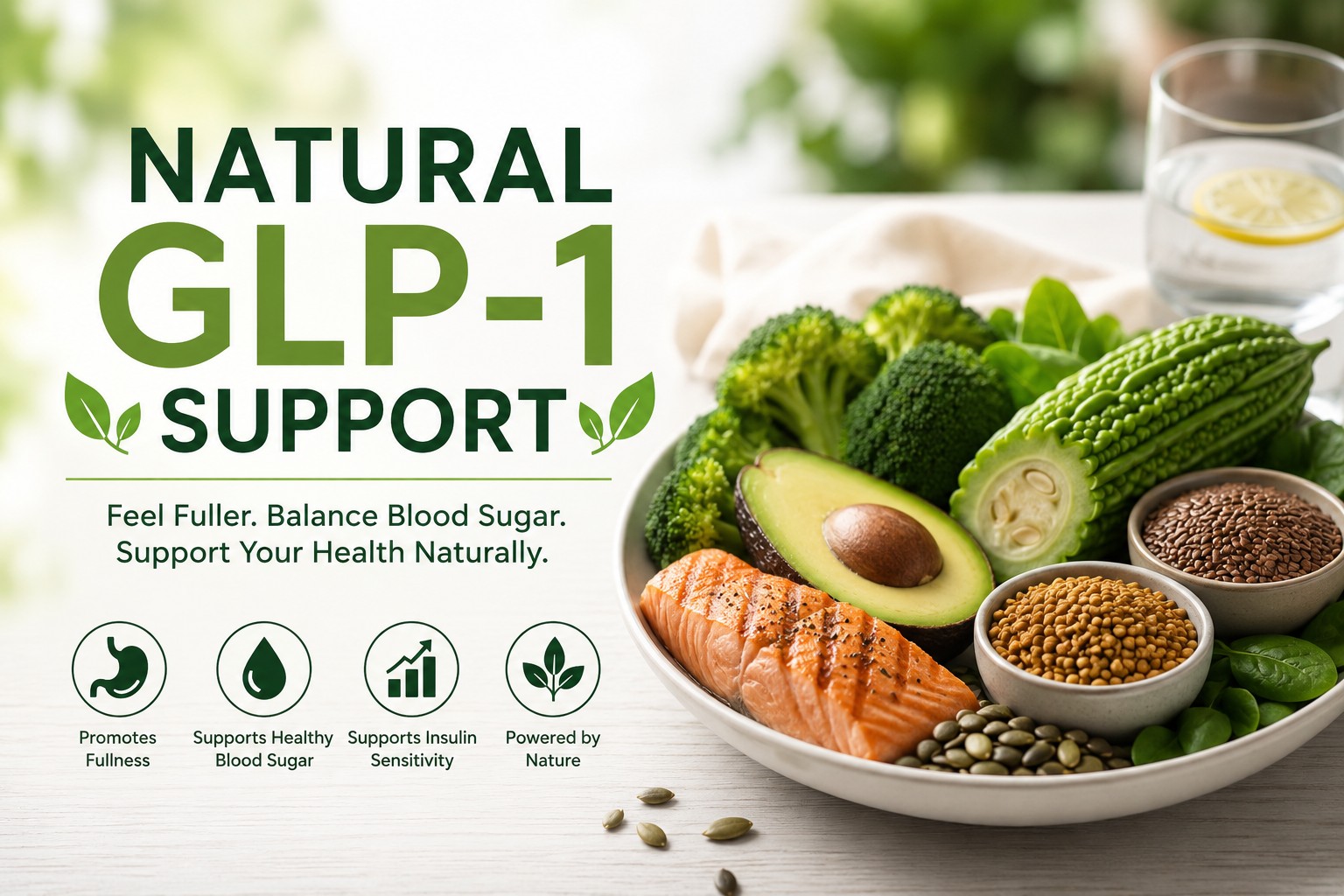
Natural GLP-1 Support: How to Feel Fuller, Crush Sugar Cravings, and Support Healthy Weight Naturally
Why Everyone Suddenly Talks About GLP-1
If you’ve searched anything about weight loss, appetite control, belly fat, or blood sugar lately, you’ve probably seen the term GLP-1 everywhere.
Social media influencers talk about it. Doctors talk about it. Weight-loss clinics advertise it. Millions of people are searching for ways to reduce hunger and manage cravings naturally.
But here’s what many people don’t realise:
Your body already produces its own natural GLP-1.
The real question is:
Can you support your body’s own appetite-control system naturally — without relying entirely on medication?
The answer is yes.
Certain foods, fibres, nutrients, herbs, and lifestyle habits may help support fullness, healthier blood sugar balance, and reduced cravings naturally.
What Is GLP-1 in Simple Language?
GLP-1 is a natural hormone produced in the gut after eating.
Its job is to help regulate appetite and blood sugar.
In simple terms, GLP-1 helps you:
• Feel fuller for longer
• Reduce overeating
• Slow down sugar spikes after meals
• Support healthier insulin response
• Reduce cravings and constant snacking
When these natural signals work properly, eating becomes easier to control.
Unfortunately, modern lifestyles often work against them.
Why So Many People Feel Hungry All the Time
Many people today experience:
• Constant hunger
• Strong sugar cravings
• Afternoon energy crashes
• Belly fat that refuses to go away
• Feeling hungry shortly after eating
• Emotional eating
• Late-night snacking
This is often linked to:
• Ultra-processed foods
• Low fibre intake
• Excess sugar
• Poor sleep
• Stress
• Constant snacking
• Lack of movement
The good news?
Nature already provides many tools that may help support healthier appetite control.
Fibre: Nature’s Appetite Suppressant
One of the most powerful ways to support fullness naturally is increasing fibre intake.
Fibre helps:
• Slow down digestion
• Support steadier blood sugar levels
• Increase fullness
• Reduce overeating
• Support digestive health
Sadly, most people consume far too little fibre.
Best Fibres for Fullness and Blood Sugar Support
Psyllium Husk
Psyllium absorbs water and expands in the stomach.
Many people find it helps them:
• Feel satisfied sooner
• Reduce overeating
• Support digestion
• Maintain healthier cholesterol and glucose levels
Taking psyllium before meals may help reduce excessive hunger naturally.

Chia Seeds and Flaxseeds
These tiny seeds are surprisingly filling.
They contain:
• Fibre
• Healthy fats
• Plant nutrients that support metabolic health
When soaked, they expand and help create a feeling of fullness.
Oats
Oats contain a special soluble fibre called beta-glucan.
This fibre is known for helping support:
• Satiety
• Healthier cholesterol
• Slower glucose absorption
A bowl of oats with protein is usually far more satisfying than sugary breakfast cereals.
Vegetables
Vegetables add volume and fibre without excessive calories.
Excellent choices include:
• Broccoli
• Cabbage
• Courgettes
• Cauliflower
• Cucumbers
• Leafy greens
• Peppers
Large fibre-rich meals often help people feel mentally and physically satisfied.
Chromium: The Mineral That May Help Sugar Cravings
Chromium is a trace mineral involved in insulin function and blood sugar metabolism.
Some studies suggest chromium may help support:
• Healthy glucose metabolism
• Reduced sugar cravings
• Better energy stability
• Insulin sensitivity
People with unstable eating habits and strong cravings may not get enough chromium through diet alone.

Foods Rich in Chromium
Chromium is found in:
• Broccoli
• Whole grains
• Nuts
• Green beans
• Brewer’s yeast
It is also commonly included in blood sugar support supplements.
Bitter Melon (Karela): Traditional Support for Glucose Balance
Bitter melon has been used traditionally for generations, especially in Asia.
Research suggests it may help support:
• Healthy blood sugar metabolism
• Insulin sensitivity
• Carbohydrate handling
Its naturally bitter compounds may also help reduce sweet cravings.
Although it is not a replacement for medical treatment, it remains one of the best-known traditional botanicals for metabolic support.
Fenugreek: The Ancient Herb That Supports Fullness
Fenugreek seeds are rich in soluble fibre and have a long history of traditional use.
Potential benefits may include:
• Better satiety
• Slower carbohydrate absorption
• Support for healthy post-meal glucose response
• Reduced appetite
Some people notice they snack less when meals are rich in fibre and supportive herbs like fenugreek.
Protein: One of the Biggest Secrets to Appetite Control
Many people eat meals that are too low in protein.
This often leads to:
• Cravings
• Snacking
• Poor satiety
• Blood sugar fluctuations
Protein helps support:
• Fullness
• Lean muscle
• Stable energy
• Better appetite regulation
Better Protein Choices
Try including:
• Lentils
• Beans
• Tofu
• Protein smoothies
A high-protein breakfast may dramatically reduce afternoon cravings for some people.
Stop Constant Snacking
Many people eat almost continuously:
• Biscuits
• Crisps
• Sugary drinks
• Sweets
• Processed snacks
This can keep insulin levels elevated all day long.
Instead, focus on:
• Balanced meals
• Protein
• Fibre
• Healthy fats
• Proper hydration
Your body often responds better to proper meals than endless grazing.
Sleep: The Missing Piece of Weight Control
Poor sleep increases hunger hormones.
Even one bad night may:
• Increase appetite
• Intensify cravings
• Reduce self-control around food
• Increase desire for sugary foods
Many people trying to lose weight focus only on calories while completely ignoring sleep.
But sleep is one of the most powerful metabolic tools available.
Hidden Signs of Insulin Resistance (That Many People Ignore)
Insulin resistance is becoming extremely common.
The problem is that it often develops silently for years.
Many people have warning signs long before blood sugar becomes dangerously high.
What Is Insulin Resistance?
Insulin is the hormone that helps move sugar from the bloodstream into cells.
With insulin resistance, cells stop responding properly.
The body then produces more insulin to compensate.
Over time, this may contribute to:
• Fat gain
• Energy crashes
• Cravings
• Belly fat
• Prediabetes
• Type 2 diabetes
Mid-Afternoon Energy Crashes
Do you suddenly feel exhausted around 2–4 PM?
Many people rely on:
• Coffee
• Chocolate
• Sugary snacks
• Energy drinks
just to survive the afternoon.
This can be linked to unstable blood sugar regulation.
Intense Sugar Cravings
Constant cravings for:
• Chocolate
• Bread
• Sweets
• Pastries
• Sugary drinks
may be a sign your blood sugar is constantly rising and crashing.
Stubborn Belly Fat
One of the most common signs of insulin resistance is excess abdominal fat.
Many people notice:
• Weight gain around the waist
• Difficulty losing belly fat
• Weight-loss plateaus
This is not always about laziness or lack of willpower.
Hormones matter.
Constant Hunger
Do you feel hungry shortly after eating?
Highly processed foods often fail to provide lasting fullness.
Meals low in protein and fibre are especially problematic.
Brain Fog and Poor Focus
Blood sugar instability can affect the brain too.
Some people experience:
• Brain fog
• Irritability
• Poor concentration
• Fatigue after meals
Dark Patches of Skin
Dark velvety patches around the:
• Neck
• Armpits
• Groin
may sometimes be linked with elevated insulin levels.
Medical evaluation is recommended if this occurs.
A Simple Daily Routine to Support Insulin Sensitivity Naturally
Morning
• Eat a protein-rich breakfast
• Add fibre
• Hydrate properly
• Go for a short walk if possible
Lunch
• Focus on protein and vegetables
• Reduce sugary drinks
• Avoid ultra-processed foods
Afternoon
• Avoid vending-machine snacks
• Stay active
• Drink water instead of sugary beverages
Evening
• Avoid heavy late-night eating
• Reduce desserts and processed snacks
• Prioritise sleep
Small Changes Can Create Big Results
Many people try extreme diets that are impossible to maintain.
But sustainable metabolic health usually comes from simple habits repeated consistently:
• Better food choices
• More fibre
• Better sleep
• Daily movement
• Smarter meal timing
• Blood sugar support nutrients
Small changes done daily often work better than short-term extremes.
HealthAid Nutritional Support
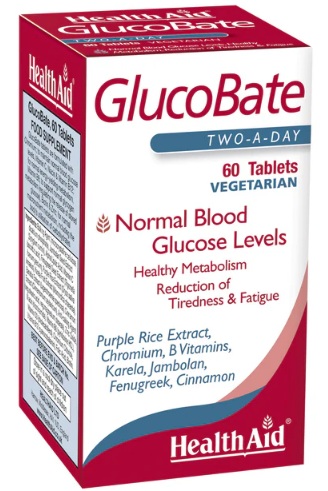
For individuals looking for additional nutritional support for healthy blood sugar balance and metabolic wellness, the HealthAid GlucoBate may provide valuable support alongside a healthy diet and lifestyle.
References
- EFSA Journal – Dietary Reference Values for carbohydrates and fibre
- American Diabetes Association – Lifestyle and nutrition guidance
- National Institutes of Health (NIH) – Chromium Fact Sheet
- Research on soluble fibre and satiety
- Studies investigating bitter melon and glucose metabolism
- Scientific literature on fenugreek and post-meal glucose response
- Research regarding insulin resistance and metabolic syndrome
Health Principles (Ellen White Quotes)

This article is for educational purposes only and is not intended to diagnose, treat, cure, or prevent any disease. Food supplements should not be used as a substitute for a varied, balanced diet and healthy lifestyle. Individuals taking medication or managing medical conditions, including diabetes, should consult a qualified healthcare professional before making dietary or supplement changes.