

Can Statins Lead to CoQ10 Deficiency and Nerve Damage? How to Prevent and Reverse It
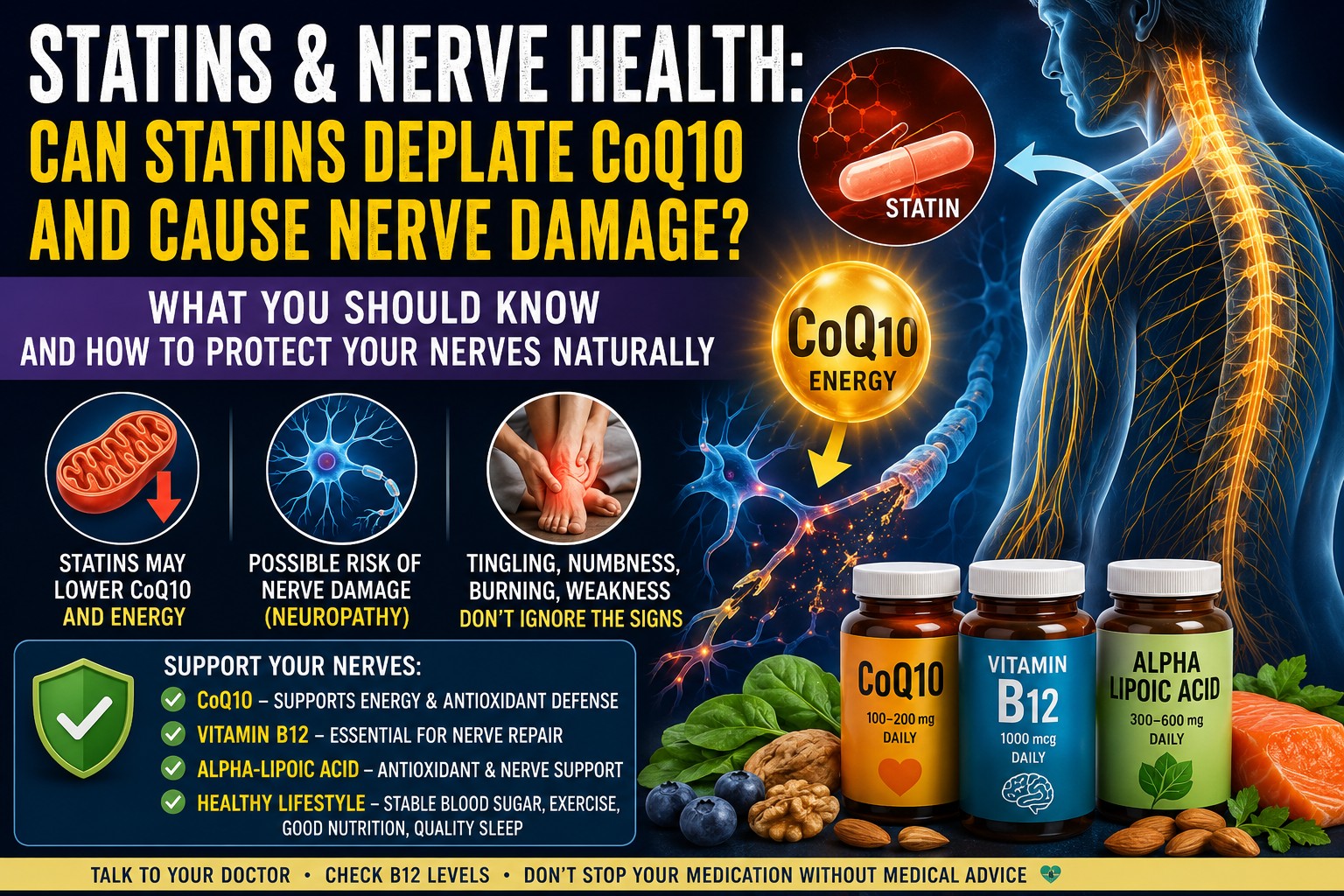
Millions of people take statins every single day to manage their cholesterol and protect their cardiovascular health. There is no doubt that these medications are highly effective at what they do. However, a growing body of scientific evidence from around the world—including extensive clinical evaluations across Europe, Japan, and Germany—reveals a hidden cost that many patients are never warned about.
If you have been taking statins and have started noticing strange sensations like numbness, tingling, burning, or weakness in your hands or feet, you are not imagining it. Statins can trigger a serious condition called peripheral neuropathy (nerve damage), frequently driven by a profound cellular deficiency in Coenzyme Q10 (CoQ10).
The good news is that you do not have to just live with the pain. Emerging nutritional science suggests that targeted, high-dose biofactors can help shield your nervous system from this degradation and even kickstart the healing process.
Here is a deep dive into the molecular mechanics of statin-induced nerve damage, and a powerful, science-backed recovery strategy to protect your body.
How Statins Accidentally Starve Your Nerves
To understand why statins hurt peripheral nerves, we have to look at the liver’s production lines. Statins function by blocking a specific enzyme called HMG-CoA reductase. Halting this enzyme shuts down the “mevalonate pathway,” which successfully stops your liver from producing excess cholesterol.
Unfortunately, cholesterol is not the only thing manufactured on this production line. The exact same pathway is responsible for producing Coenzyme Q10 (CoQ10).
When you take a statin, your body’s natural production of CoQ10 drops significantly. CoQ10 acts as the spark plug inside your cellular power plants, the mitochondria. Without it, your cells cannot produce adequate Adenosine Triphosphate (ATP)—the essential energy currency every cell needs to survive.
Your peripheral nerves have an incredibly high metabolic demand; they require massive amounts of cellular energy to transmit signals cleanly from your limbs back to your brain. When statins drain your CoQ10 levels, your nerve cells experience severe mitochondrial starvation and intense oxidative stress.
Furthermore, statins reduce the availability of cholesterol and dolichols, which are the essential building blocks required to maintain the myelin sheath—the protective insulating coating wrapped around your nerves. Over time, this energetic starvation and structural breakdown culminates in axonal peripheral neuropathy.
Spotting the Warning Signs of Statin-Induced Neuropathy
Nerve damage caused by medication typically creeps up slowly, beginning at the furthest points of your nervous system—your toes and fingers. If you have been on cholesterol-lowering medication for more than a couple of years, be on the lookout for these classic signs:
-
A persistent, structural numbness or “dead” feeling in your toes or feet.
-
Pins-and-needles or prickling sensations that feel like your limbs are waking up from being asleep.
-
A localized, distressing burning pain (often referred to as “burning feet syndrome”) that frequently intensifies at night or while resting.
-
Sudden muscle twitches (fasciculations) or uncharacteristic weakness in your legs.
-
A loss of structural sensitivity, making it hard to feel vibrations or subtle changes in temperature.
Important Note: Clinical registries show a distinct paradox when it comes to statins. In patients who do not have diabetes, statins systematically elevate the risk of developing brand-new peripheral neuropathy. However, in actively diabetic patients, statins sometimes temporarily appear to help nerve blood flow due to their anti-inflammatory nature, clouding the diagnosis. This makes it crucial to monitor your symptoms regardless of your blood sugar status.
The Protocol: Reclaiming Nerve Health with B12 and Alpha-Lipoic Acid
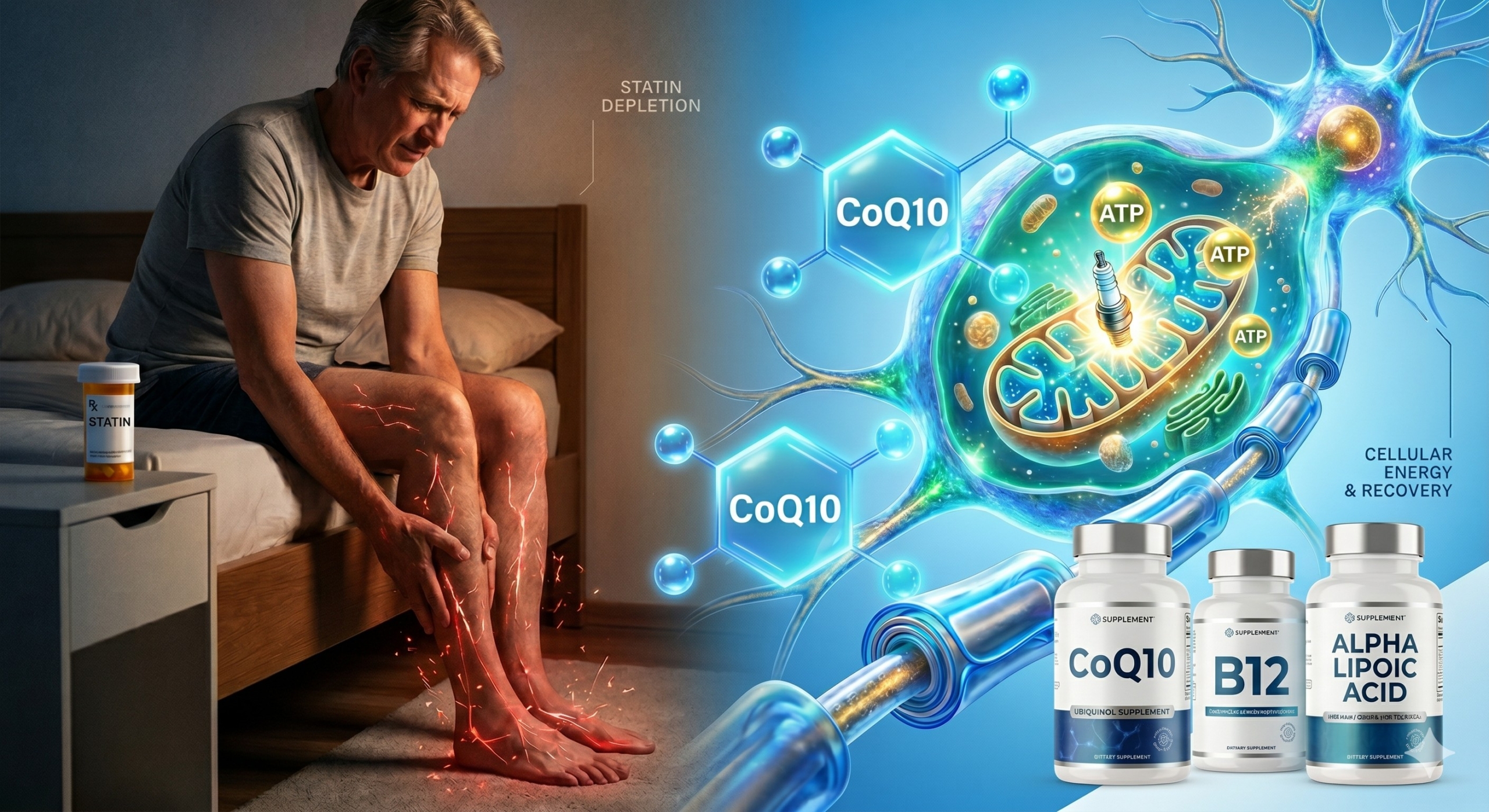
If statins have compromised your metabolic pathways, standard lifestyle changes alone are rarely enough to fix the damage. You need to supply your body with direct, targeted structural support. Extensive research points to a powerful combination of two specific biofactors that can halt and potentially reverse peripheral nerve issues:
1. High-Dose Vitamin B12 (1000 mcg daily)
Vitamin B12 is absolutely mandatory for the enzymatic synthesis of fatty acids that build and repair the myelin sheath. If B12 levels are low, nerves lose their insulation, short-circuit, and wither away.
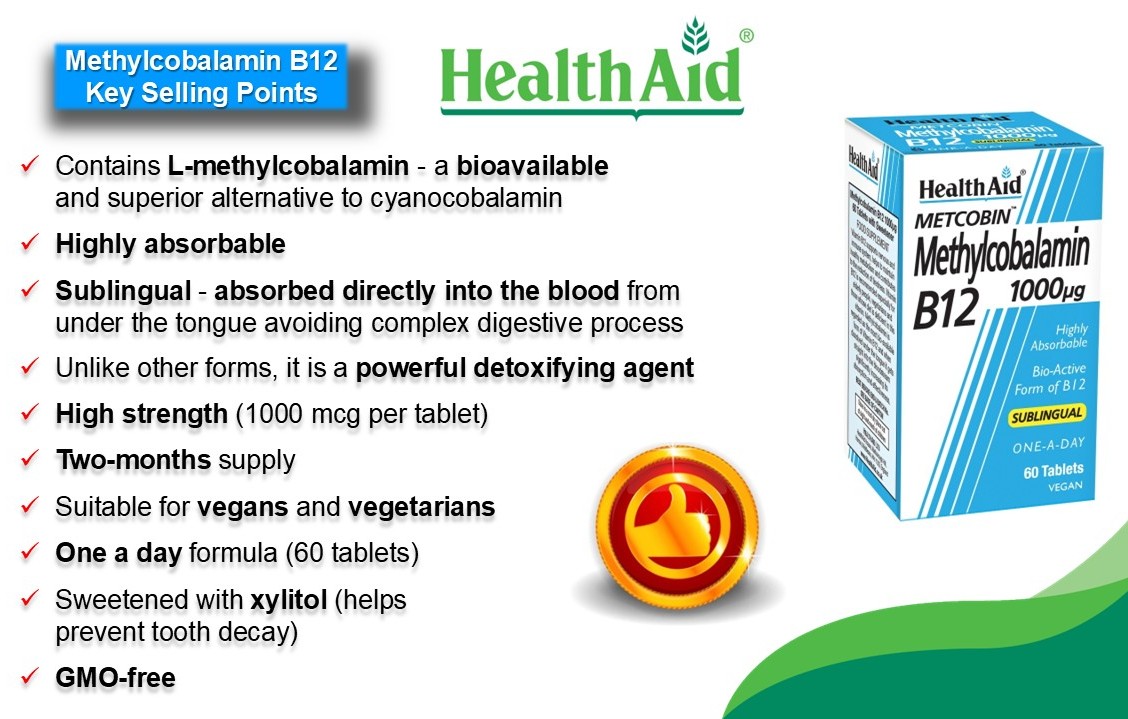
Clinical data confirms that introducing high doses of active B12 forms directly stimulates nerve regeneration by encouraging axonal growth. While standard supplements use cyanocobalamin, extensive multi-center clinical trials in Japan favor Methylcobalamin (Mecobalamin). This specific, highly bioavailable form accumulates far more efficiently in neural tissue, making it the premier choice for resolving numbness and spontaneous nerve pain.
2. Alpha-Lipoic Acid / ALA (500 mg twice daily)
Alpha-Lipoic Acid is an exceptional organosulfur compound known in German clinical medicine as a “pathogenesis-directed” therapy. Unlike ordinary antioxidants, ALA is entirely unique because it is simultaneously water-soluble and fat-soluble. This dual nature allows it to pass effortlessly through fatty nerve sheaths and deep into the watery cytoplasm of neural cells.
ALA works directly inside the starved mitochondria to scavenge destructive free radicals, restore healthy local microvascular blood flow to the nerves, and fix proteins damaged by metabolic stress.
The Absorption Secret: Oral ALA has a historically low absorption rate if taken incorrectly. To mimic the highly successful results seen in major clinical trials, health professionals recommend split-dosing—taking 500 mg twice a day—strictly on an empty stomach, at least 30 to 45 minutes before your meals.
The Power of Synergy
When you combine high-dose B12 with a robust split-dose of Alpha-Lipoic Acid, you create a powerful therapeutic synergy. Clinical trials published across China and Germany show that using these two metabolic agents together yields significantly faster improvements in nerve conduction velocities and vastly superior pain relief compared to using either nutrient alone. They address the damage from two parallel fronts: ALA wipes out the oxidative stress and restores energy, while B12 physically rebuilds the protective myelin casing.
How to Take Control of Your Health Journey
If you suspect your cholesterol medication is the root cause of your tingling or burning limbs, never stop taking your prescription cold turkey. Cardiovascular management requires balance. Instead, take a proactive, structured approach:
-
Talk to Your Doctor: Request an objective evaluation, such as a nerve conduction study, and discuss your symptoms openly. Ask your physician if you can safely adjust your statin dose, switch to a different class of lipid-lowering medication, or safely implement a temporary “dechallenge” to see if your symptoms stabilize.
-
Replenish Your CoQ10: Because statins aggressively drain your cellular spark plugs, consider supplementing with CoQ10 (ideally in the highly absorbable Ubiquinol form at 100–200 mg daily) alongside your core protocol to restore mitochondrial baseline energy.
-
Deploy the Nerve Recovery Blueprint: Implement your high-quality recovery regimen systematically:
-
Vitamin B12 (as Methylcobalamin): 1000 mcg taken daily.
-
Alpha-Lipoic Acid (ALA): 500 mg taken twice daily, always on an empty stomach.
-
Your nerves possess an incredible, natural capacity to regenerate and heal, provided they are given the correct biological resources. By eliminating cellular starvation and neutralizing oxidative stress, you can protect your mobility, soothe your nervous system, and take back control of your comfort.
The information contained in this article is intended for educational and informational purposes only and does not constitute formal medical advice. Always consult with a qualified healthcare provider or physician before changing, pausing, or discontinuing any prescription medication, or before starting any high-dose dietary supplement protocol.
References
-
Attardo, S., Musumeci, O., Velardo, D., & Toscano, A. (2022). Statins Neuromuscular Adverse Effects. International Journal of Molecular Sciences, 23(15), 8364.
-
Daliri, M., Johnston, T. P., & Sahebkar, A. (2023). Statins and peripheral neuropathy in diabetic and non-diabetic cases: a systematic review. Journal of Pharmacy and Pharmacology, 75(5), 593–611.
-
Emad, M., Arjmand, H., Farpour, H. R., & Kardeh, B. (2018). Lipid-lowering drugs (statins) and peripheral neuropathy. Electronic Physician, 10(4), 6527–6533.
-
Han, Y., Wang, M., & Shen, J. (2012). Evaluation of the clinical efficacy of alpha-lipoic acid combined with mecobalamin in the treatment of diabetic peripheral neuropathy. Journal of Chinese Clinical Medicine, 17(4), 211-215.
-
Jeppesen, U., Gaist, D., Smith, T., & Sindrup, S. H. (1999). Statins and peripheral neuropathy. European Journal of Clinical Pharmacology, 54(11), 835–838.
-
Lekhanya, P. K., & Mokgalaboni, K. (2022). Exploring the effectiveness of vitamin B12 complex and alpha-lipoic acid as a treatment for diabetes mellitus/neuropathy: a protocol for systematic review and meta-analysis of randomised controlled trials. BMJ Open, 12(9), e065630.
Keywords: Statin induced neuropathy, statins and CoQ10 deficiency, peripheral neuropathy prevention, alpha lipoic acid nerve damage, vitamin b12 nerve regeneration, methylcobalamin for numbness, statin side effects legs, burning feet syndrome remedies.