

Medication, Supplement and Food Interactions: What You Should Know Before Combining Them
Introduction
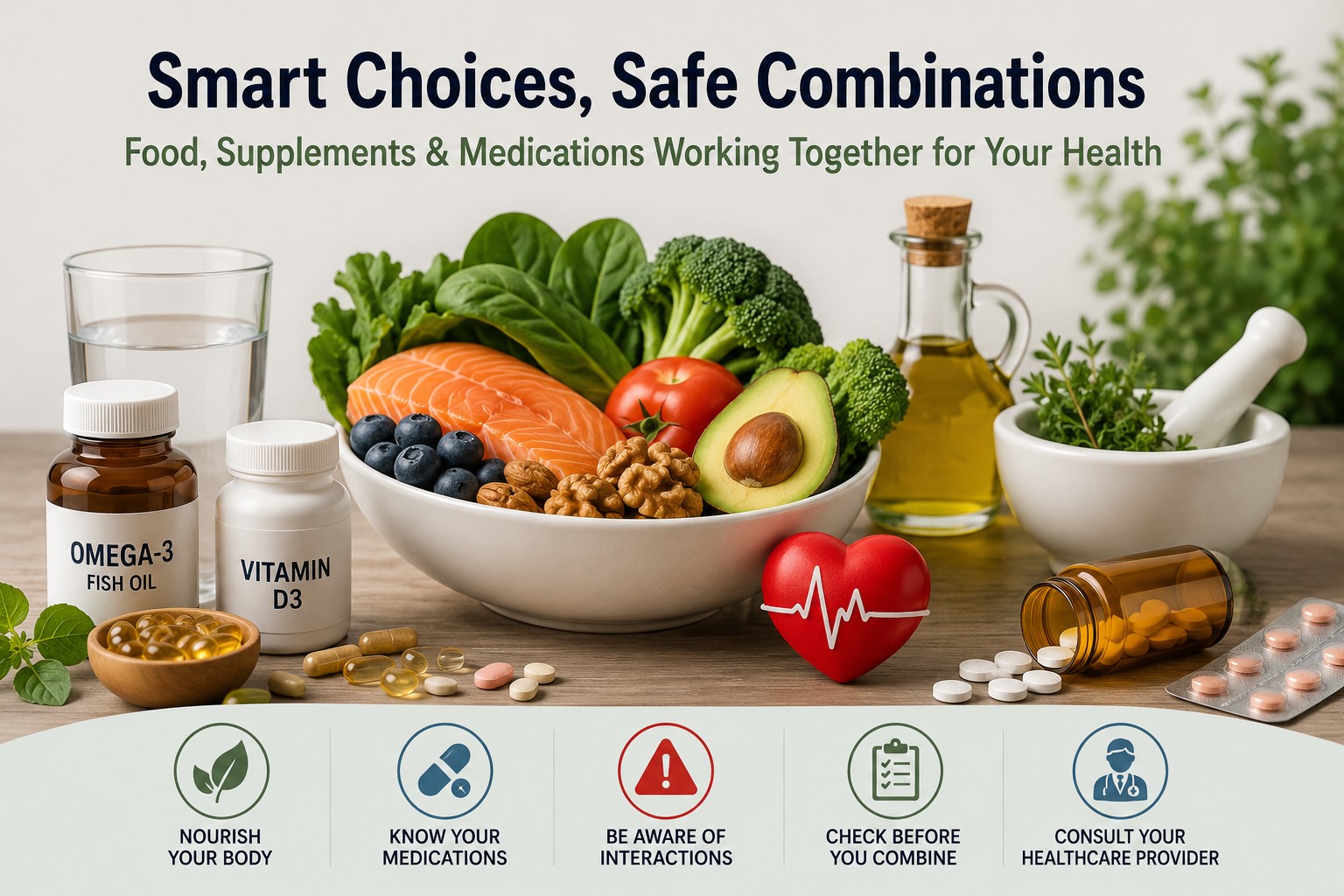
Many people take vitamins, minerals, herbs, probiotics, omega-3 oils, medicinal mushrooms, fibre products, or other natural supplements to support energy, immunity, digestion, bones, joints, heart health, mood, sleep, or general wellbeing.
Supplements can be useful when chosen wisely, especially where diet is poor, nutrient levels are low, or certain medicines deplete nutrients. However, “natural” does not always mean “safe with every medication.” Some supplements, herbs, spices, foods, and drinks may strengthen a medicine’s effect, reduce it, interfere with absorption, alter liver detoxification pathways, or affect blood clotting, blood sugar, blood pressure, potassium balance, mood-related neurotransmitters, or immune activity.
This does not mean healthy foods should be feared. In most cases, the problem is not ordinary healthy eating, but sudden major dietary changes, concentrated extracts, very high-dose supplements, combining multiple products with similar effects, or poor monitoring of medication.
Healthy Foods Should Not Be Feared
Some interaction articles unintentionally make healthy foods such as green vegetables, herbs, spices, garlic, ginger, berries, olive oil, nuts, seeds, and fibre-rich foods sound dangerous. This is misleading.
Many of these foods are associated with important health benefits and long-term reduction in chronic disease risk. The issue is usually not the healthy food itself, but:
- Sudden major dietary changes
- Concentrated extracts
- Very high-dose supplements
- Combining several blood-thinning products together
- Poor medication monitoring
- Kidney, liver, thyroid, or metabolic problems
For example, people taking warfarin or acenocoumarol are usually advised to keep vitamin K intake reasonably consistent rather than avoiding vegetables completely. Some researchers and integrative practitioners believe stable vitamin K intake may actually support more predictable anticoagulant control when INR is properly monitored.
Food–Drug Interactions Are Often Forgotten
Medication interactions are not limited to capsules and tablets. Foods and drinks may also affect how medicines work.
Important examples include:
- Grapefruit and certain medicines
- Vitamin K-rich foods and anticoagulants
- Alcohol and sedative medicines
- Caffeine and stimulant medicines
- Mineral-rich foods and antibiotics
- High-fibre foods and medication absorption
- Apple cider vinegar affecting blood sugar or potassium balance
Food components such as fibre, minerals, flavonoids, furanocoumarins, caffeine, tyramine, and vitamin K may influence medicine absorption, metabolism, excretion, or activity.
Blood Thinners and Bleeding Risk
One of the most important areas of supplement safety involves anticoagulant and antiplatelet medicines.
Examples include:
- Warfarin
- Acenocoumarol
- Apixaban
- Rivaroxaban
- Dabigatran
- Aspirin
- Clopidogrel
These medicines may help reduce risk of stroke, deep vein thrombosis, pulmonary embolism, or clot-related complications, but they may also interact with supplements, herbs, spices, foods, or oils.
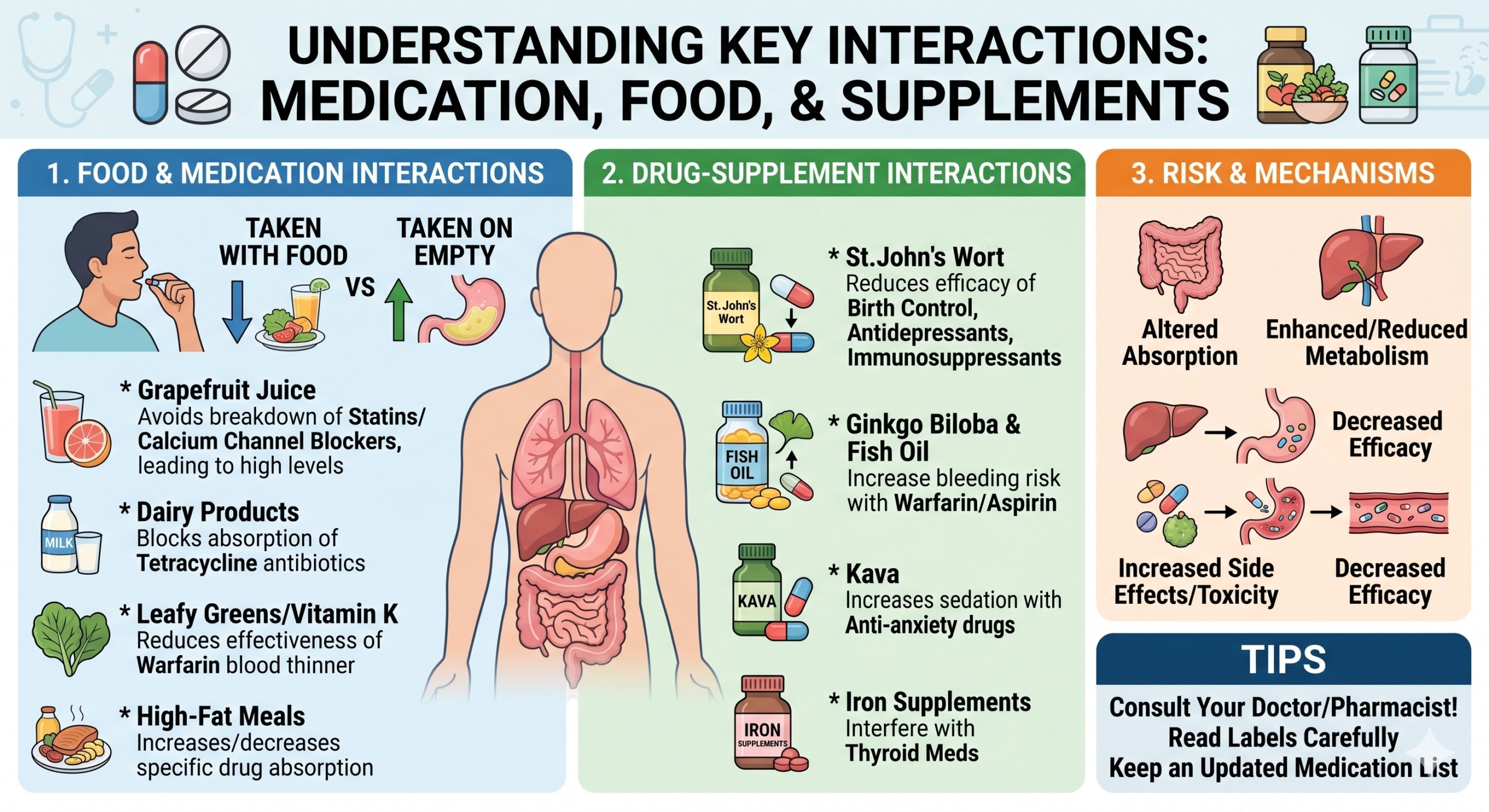
Vitamin K, Vitamin K2 MK-7, Warfarin and Acenocoumarol:
Vitamin K is essential for normal clotting and does not simply “thicken the blood” in healthy individuals. However, warfarin and acenocoumarol work partly by interfering with vitamin K metabolism. Sudden major changes in vitamin K intake may affect INR stability. The key issue is consistency, not fear of vegetables. People using vitamin K antagonist medicines should avoid suddenly starting high-dose vitamin K1 or vitamin K2 MK-7 supplements without supervision and INR monitoring.
Supplements and herbs that may increase bleeding tendency:
High-dose omega-3 fish oil, cod liver oil, garlic extract, ginkgo biloba, turmeric/curcumin, ginger extract, feverfew, dong quai, danshen, willow bark, CBD products, glucosamine/chondroitin, and high-dose vitamin E may mildly affect clotting or platelet function in some individuals.
This does not mean ordinary culinary garlic, turmeric, ginger, or cinnamon must be feared. The main concern usually involves concentrated extracts, high doses, multiple overlapping products, surgery, or anticoagulant medication.
Cod Liver Oil
Cod liver oil deserves special mention because it naturally contains omega-3 fatty acids together with vitamins A and D.
Possible concerns include:
- Increased bleeding tendency when combined with anticoagulants
- Excess vitamin A if combined with retinoid medication or multiple supplements
- Excess vitamin D if combined with high-dose vitamin D supplementation
- Possible additional blood pressure lowering in sensitive individuals
Grapefruit Interactions
Grapefruit and grapefruit juice may interact with many medications because they contain compounds called furanocoumarins, which can inhibit CYP3A4 enzymes in the gut and increase drug levels.
Medicines potentially affected include some:
- Statins, especially simvastatin and lovastatin
- Calcium channel blockers
- Anti-anxiety medicines
- Some antihistamines
- Some psychiatric medicines
- Immunosuppressants such as ciclosporin or tacrolimus
- Some antiarrhythmics
- Some erectile dysfunction medicines
Grapefruit remains a healthy food for many people, but those taking affected medication should check compatibility.
Goldenseal
Goldenseal is a traditional herbal product often used for immune or digestive support. It may affect liver enzymes involved in drug metabolism.
Caution is advised with:
- Antidepressants
- Blood pressure medicines
- Diabetes medicines
- Blood thinners
- Sedatives
- Medicines with narrow safety margins
- Pregnancy and breastfeeding
Goldenseal should not be treated as a harmless everyday supplement when medication is involved.
Liquorice Root
Liquorice root, especially products containing glycyrrhizin, may affect cortisol metabolism and mineral balance.
Excess or prolonged intake may contribute to:
- High blood pressure
- Fluid retention
- Low potassium
- Muscle weakness
- Heart rhythm problems
Liquorice may be especially risky with:
- Diuretics
- Digoxin
- Blood pressure medicines
- Corticosteroids
- Heart rhythm medication
- Kidney disease
Deglycyrrhizinated liquorice (DGL) may have a different safety profile because much of the glycyrrhizin has been removed.
Cinnamon and Cassia Cinnamon
Normal culinary cinnamon is not the same as concentrated cinnamon supplements.
Cassia cinnamon naturally contains coumarin. Excessive coumarin intake may be relevant for:
- Blood-thinning medication
- Liver disease
- Liver-metabolised medicines
- Diabetes medication
Small culinary amounts are usually very different from concentrated extracts or capsules.
Apple Cider Vinegar
Apple cider vinegar is commonly used for digestion, blood sugar support, or weight management. However, large amounts or concentrated products may interact with some medicines.
Possible concerns include:
- Lower blood sugar when combined with insulin or diabetes medication
- Low potassium risk, especially with diuretics
- Increased digoxin toxicity risk if potassium becomes low
- Worsening reflux or stomach irritation in some individuals
- Tooth enamel erosion if taken undiluted
St John’s Wort
St John’s wort is one of the most important herbal interaction concerns because it may alter liver detoxification enzymes and drug transporters.
Potential interactions include:
- Antidepressants
- Warfarin
- Oral contraceptives
- HIV medicines
- Transplant medication
- Some statins
- Some heart medicines
- Some epilepsy medicines
- Migraine medicines
It may also increase risk of serotonin excess when combined with antidepressants, 5-HTP, SAMe, tryptophan, or triptan migraine medicines.
Statins lead to CoQ10 Deficiency and Nerve Damage
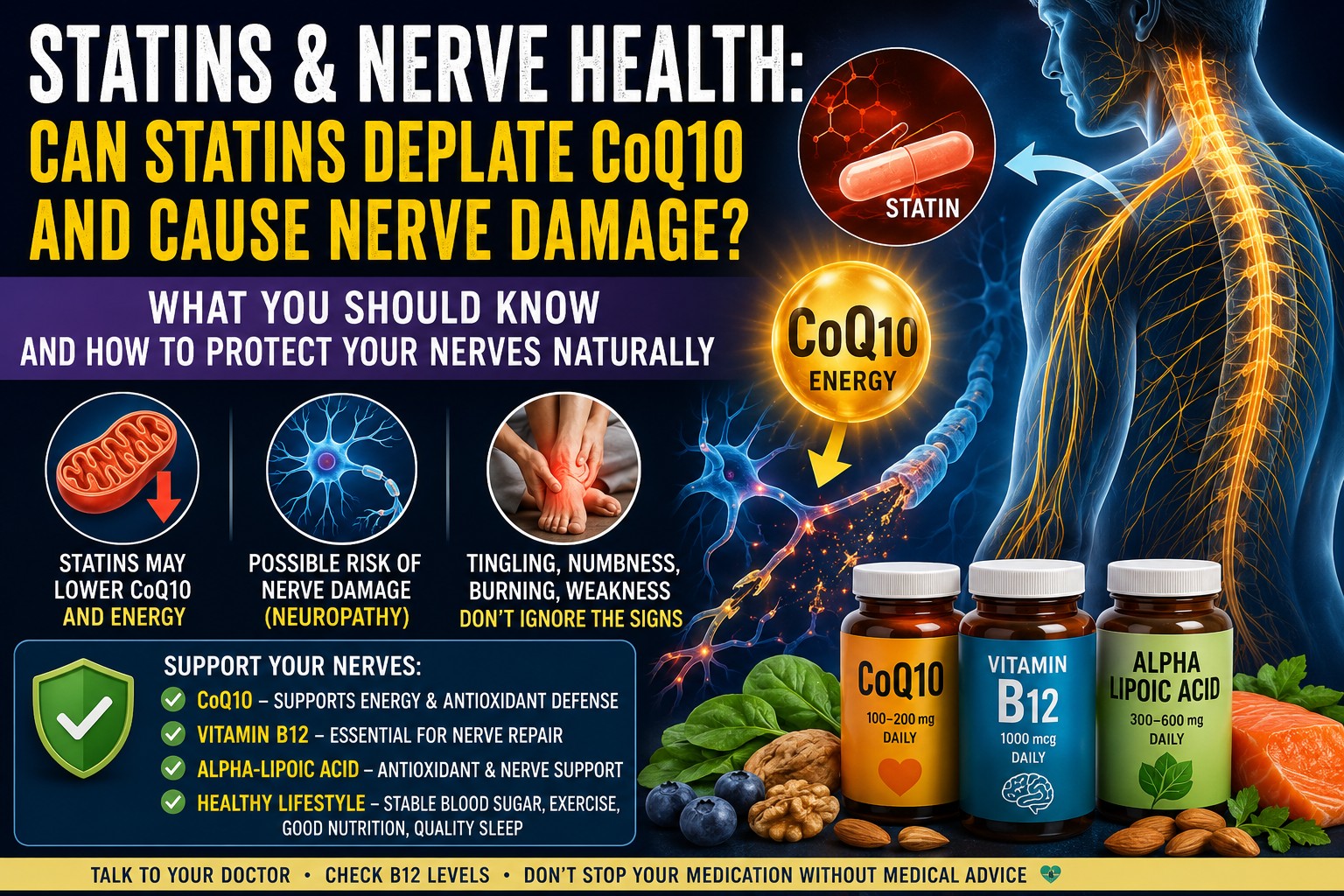
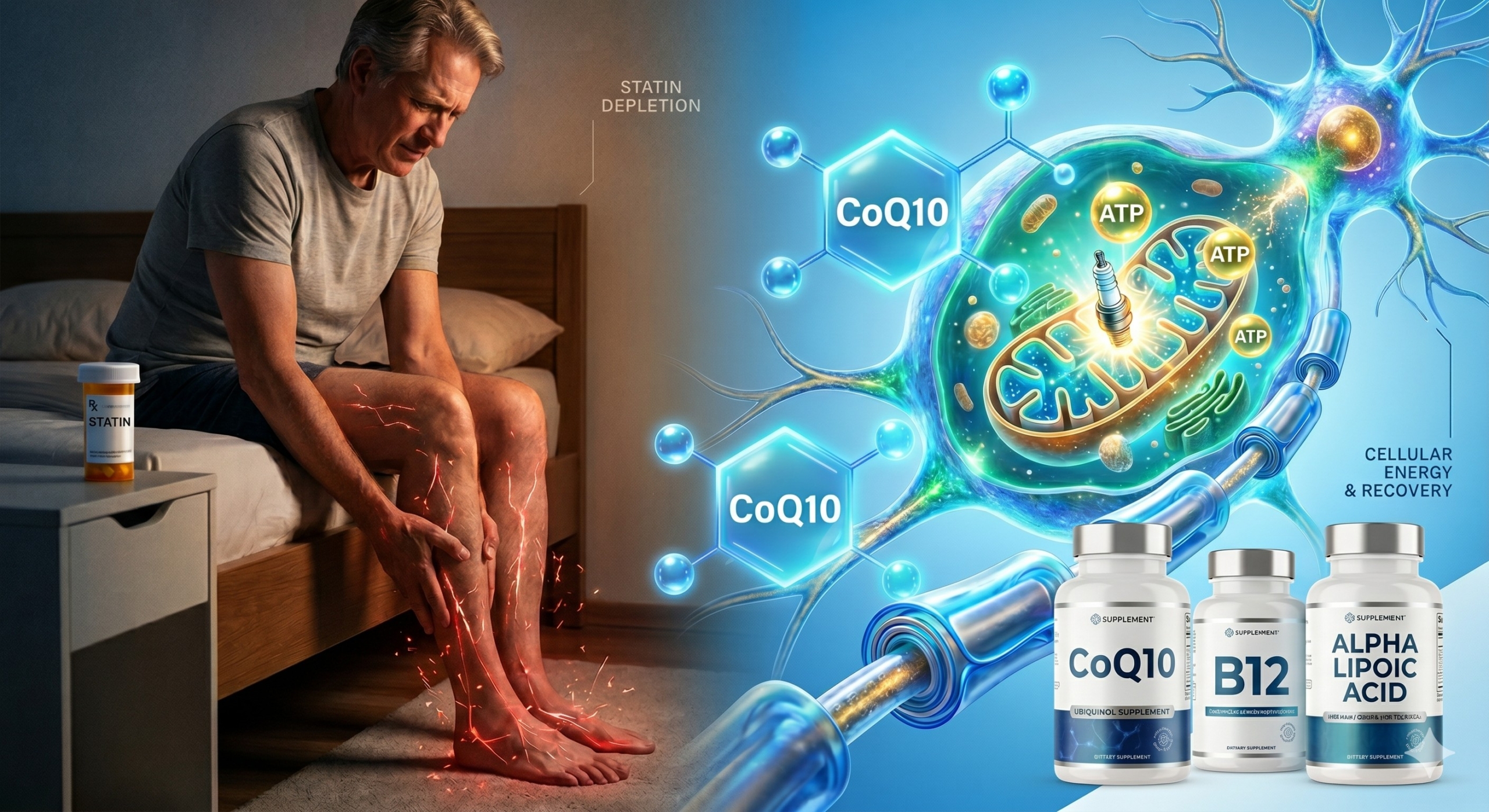
Statins lower cholesterol partly by affecting the mevalonate pathway, which is also involved in CoQ10 production thus leading to Q1o deficiency and nerve damage, including peripheral neuropathy.
Some people taking statins report:
- Muscle aches
- Weakness
- Fatigue
- Exercise intolerance
- peripheral neuropathy (pain especially in feet)
CoQ10 is important for mitochondrial energy production, especially in muscles and the heart. Practitioners recommend CoQ10 support (100-200mf of CoQ10 daily) for people using statins.
People should never stop prescribed statins without medical advice, but those with above symptoms should consider supplementation with CoQ10, Alpha Lipoic Acid (250-500mg twice daily), Methylcobalamin B12 (sublingual 1000mcg after breakfast), vitamin D3 (5000 IU daily), and magnesium (200mg twice daily), or medication review with a healthcare professional.
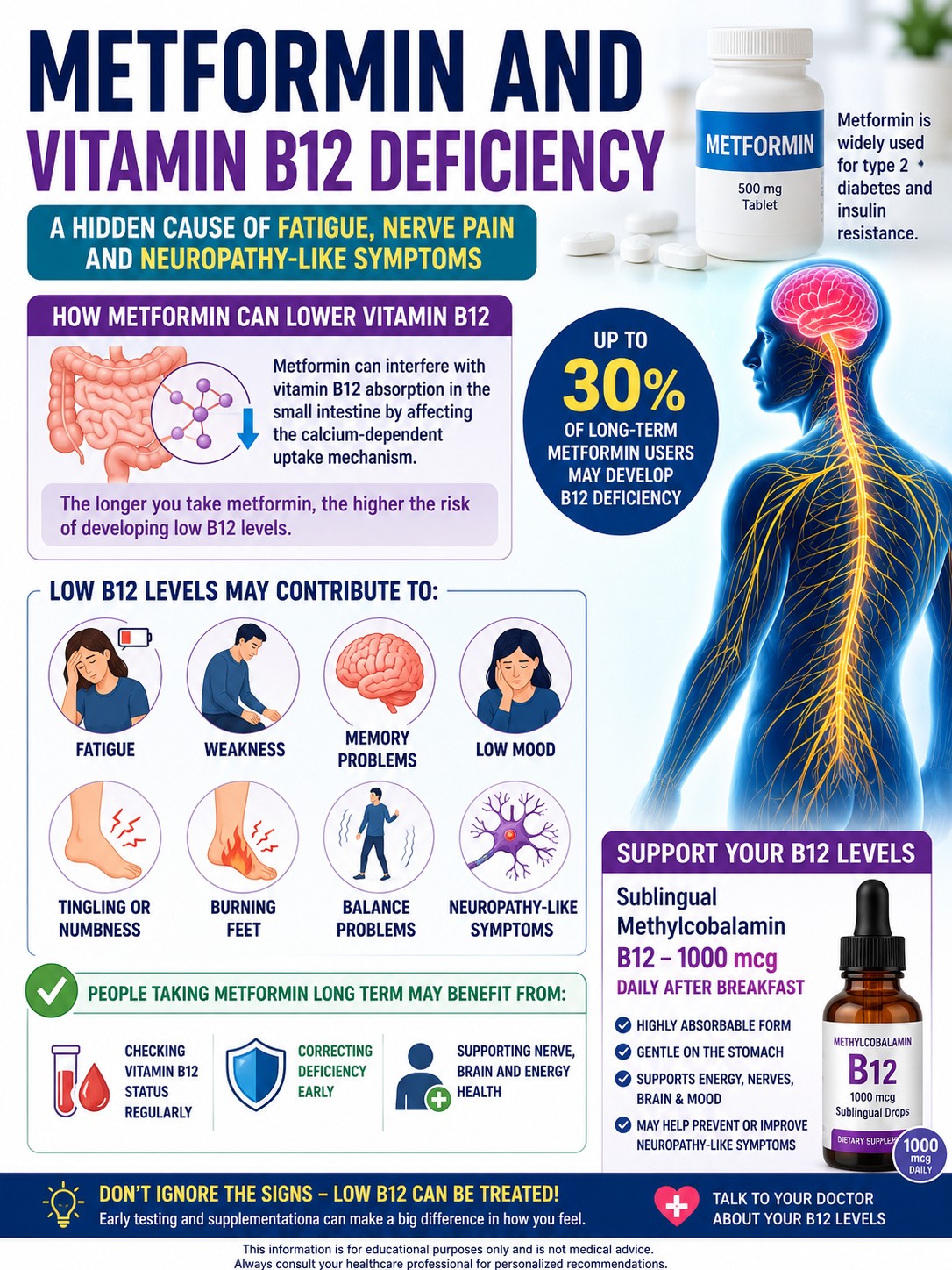
Metformin and Vitamin B12 Deficiency
Metformin is widely used for type 2 diabetes and insulin resistance.
Long-term use has been associated with reduced vitamin B12 levels. This is important because B12 deficiency may contribute to:
- Fatigue
- Weakness
- Memory problems
- Low mood
- Tingling or numbness
- Burning feet
- Balance problems
- Neuropathy-like symptoms
People taking metformin long term may benefit from checking B12 status and considering supplementation where appropriate (sublingual Methylcobalamin B12 – 1000mcg daily after breakfast).
Proton Pump Inhibitors and Nutrient Absorption
Acid-reducing medicines such as omeprazole, lansoprazole, and pantoprazole may reduce absorption or status of some nutrients over time.
Possible concerns include:
- Vitamin B12
- Magnesium
- Iron
- Calcium
People taking these medicines long term may wish to discuss nutritional monitoring with their healthcare professional.
Thyroid Medication and Supplements
Levothyroxine absorption may be reduced by:
- Calcium
- Iron
- Magnesium
- Zinc
- Chromium
- Multivitamins with minerals
- Psyllium husk
- High-fibre supplements
- Soy protein in some individuals
Levothyroxine is usually taken on an empty stomach with water, while mineral supplements are often taken several hours later.
Antibiotics and Mineral Supplements
Minerals may bind to some antibiotics and reduce absorption.
This is especially relevant for:
- Tetracyclines
- Doxycycline
- Ciprofloxacin
- Levofloxacin
Avoid taking these antibiotics simultaneously with:
- Calcium
- Magnesium
- Iron
- Zinc
- Multiminerals
- Antacids
Spacing them apart by several hours is usually advised.
Bisphosphonates and Minerals
Osteoporosis medicines such as alendronate and risedronate are poorly absorbed and may interact with minerals and food.
Calcium, magnesium, iron, zinc, food, and drinks other than water may reduce absorption.
These medicines are usually taken first thing in the morning with plain water following the exact instructions provided.
Diabetes Medicines and Supplements
Supplements that may lower blood sugar include:
- Chromium
- Cinnamon
- Berberine
- Alpha-lipoic acid
- Gymnema
- Bitter melon
- Apple cider vinegar
- High-dose magnesium in some individuals
These may be useful for some people, but when combined with insulin or diabetes medication they may increase risk of low blood sugar.
High-dose niacin may worsen blood sugar control in some individuals.
Potassium Interactions
Potassium supplements and potassium-rich salt substitutes should be used carefully with medicines that raise potassium levels.
Examples include:
- ACE inhibitors
- ARBs
- Spironolactone
- Eplerenone
- Amiloride
- Triamterene
High potassium may affect heart rhythm and may become serious, especially in kidney disease.
Magnesium Interactions
Magnesium may interact with:
- Tetracycline antibiotics
- Quinolone antibiotics
- Bisphosphonates
- Diuretics
- Proton pump inhibitors
Loop and thiazide diuretics may increase magnesium loss, while long-term proton pump inhibitors have been associated with low magnesium levels in some individuals.
Iron Interactions
Iron may reduce absorption of:
- Levothyroxine
- Levodopa
- Certain antibiotics
- Bisphosphonates
Iron absorption may also be reduced by proton pump inhibitors and low stomach acid.
Zinc Interactions
Zinc may reduce absorption of:
- Tetracycline antibiotics
- Quinolone antibiotics
- Penicillamine
Long-term high-dose zinc may also reduce copper levels.
Calcium Interactions
Calcium may reduce absorption of:
- Levothyroxine
- Tetracycline antibiotics
- Quinolone antibiotics
- Bisphosphonates
- Iron
- Some HIV medicines such as dolutegravir
Calcium combined with thiazide diuretics may increase calcium levels in susceptible individuals.
Vitamin D Interactions
Vitamin D may be affected by or interact with:
- Orlistat
- Steroids
- Some anticonvulsants
- Thiazide diuretics
Vitamin D increases calcium absorption, so caution is sensible with high-dose vitamin D, high-dose calcium, and thiazide diuretics.
Orlistat and Fat-Soluble Vitamins
Orlistat reduces fat absorption and may reduce absorption of:
- Vitamin A
- Vitamin D
- Vitamin E
- Vitamin K
- Beta-carotene
A multivitamin may sometimes be recommended, usually taken at a different time from orlistat.
Vitamin A and Retinoid Medication
Retinoid medicines are related to vitamin A.
Examples include:
- Isotretinoin
- Acitretin
- Bexarotene
Combining these with high-dose vitamin A may increase risk of vitamin A toxicity.
Cod liver oil may also contribute to total vitamin A intake.
Folate and Methotrexate
Methotrexate affects folate metabolism.
In low-dose methotrexate therapy for rheumatoid arthritis or psoriasis, folic acid is often prescribed to help reduce side effects.
In cancer treatment, folate-related supplementation must be guided by the oncology team.
Sedative Herbs and Medicines
Some supplements may increase drowsiness when combined with sedative medicines, alcohol, opioid pain medicines, sleeping tablets, or anti-anxiety medication.
Examples include:
- Valerian
- Kava
- Passionflower
- Lemon balm
- Melatonin
- CBD products
Avoid driving or operating machinery if affected.
Probiotics and Antibiotics
Probiotics may support gut flora during or after antibiotic use and are often taken at a different time from the antibiotic.
However, severely immunocompromised or critically ill individuals should seek professional guidance before using probiotics.
Fibre Supplements and Medicines
Fibre supplements such as psyllium husk may reduce or delay absorption of some medicines.
Caution is sensible with:
- Levothyroxine
- Lithium
- Digoxin
- Diabetes medicines
- Some antidepressants
Spacing fibre away from medication may help.
Supplements Before Surgery
Before surgery, dental surgery, or invasive procedures, tell your doctor or surgeon about all supplements.
Products often mentioned include:
- Garlic
- Ginkgo
- Ginseng
- Fish oil
- Cod liver oil
- Turmeric
- Vitamin E
- St John’s wort
- Valerian
- Kava
- CBD products
Some may affect bleeding, sedation, blood pressure, or anaesthesia response.
Cancer Treatment and Supplements
People receiving chemotherapy, radiotherapy, immunotherapy, hormone therapy, or targeted cancer therapy should discuss supplements with their oncology team.
Special caution is often advised with:
- High-dose antioxidants
- St John’s wort
- Green tea extract
- Turmeric extracts
- High-dose vitamin C
- High-dose selenium
- Immune-stimulating herbs
This does not mean all supplements are forbidden, but interactions may depend on the specific treatment involved.
Final Thoughts
Healthy food should not be feared. A nutrient-rich diet, active lifestyle, good sleep, stress management, hydration, sunlight, and avoidance of smoking remain foundational for long-term health.
At the same time, supplements, herbs, spices, foods, and drinks may interact with medication, especially in concentrated forms or high doses.
The wisest approach is neither fear of natural products nor careless mixing, but informed, balanced, and personalised use.
Disclaimer
This article is for educational purposes only and is not intended to diagnose, treat, cure, or prevent any disease. It should not replace advice from your doctor, pharmacist, dietitian, or qualified healthcare professional. Never stop prescribed medication or make major changes to your treatment plan without professional guidance.